In a powerful address aimed at overhauling India's prison system, Chief Justice of India (CJI) Surya Kant has called for bold, technology-integrated reforms. He envisions transforming prisons from mere punitive spaces into active 'engines of reintegration' for inmates.
Building Skills for Tomorrow's Economy
The CJI, speaking at an event on correctional reforms in Gurgaon on Saturday, stressed the urgent need to align prison training with the future economy. He emphasised that inmates must be equipped with digital competencies, logistics expertise, and modern vocational skills. To achieve this, he urged deeper collaboration with industry, proposing an innovative model where companies could 'adopt' prisons, offer apprenticeships, and eventually recruit trained inmates. This approach, he argued, turns ability into tangible opportunity.
The event marked the inauguration of skill development and polytechnic courses inside Haryana jails. CJI Kant presented four thoughtful proposals to strengthen the correctional justice framework.

Tech-Driven Monitoring and Open Prisons
One significant proposal involves adopting a UK-style inmate-monitoring system developed with the help of a Bengaluru-based software company. Under this model, convicts could be provided with a monitoring chip and allowed to stay in their homes within a defined radius. Their movements would be tracked through advanced software, ensuring compliance while enabling them to maintain family life, emotional bonds, and financial stability. This system particularly aims to protect children, often the 'invisible victims' of incarceration.
Alongside technological solutions, the CJI strongly advocated for creating or expanding open prisons in India as part of a more humane rethinking of criminal justice.
Data-Driven Rehabilitation and Reducing Recidivism
CJI Kant concluded by underscoring the importance of data-driven reforms. He stated that a modern incarceration system must track behavioural progress and post-release trajectories to ensure rehabilitation is measurable, accountable, and effective. Such a system would help gauge the real impact of rehabilitation programmes and ultimately reduce recidivism.
He warned that when individuals leave prison without adequate support, their reintegration becomes dangerously uncertain, often pulling them back into a cycle of marginalisation and crime. In the absence of education, skills, and psychological support, a prison—which he prefers to call a 'correctional home'—can unintentionally deepen disadvantages and repeat custodial cycles.
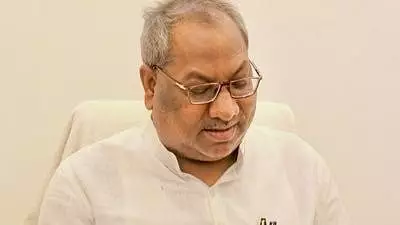
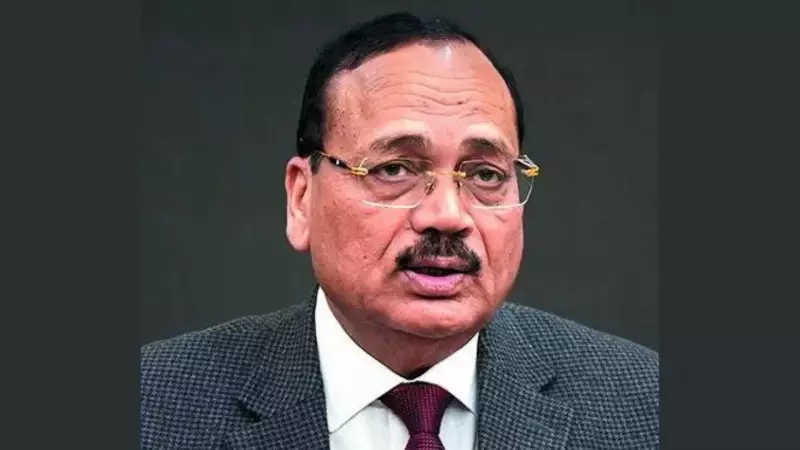
The programme was attended by Supreme Court Justices Ahsanuddin Amanullah, Rajesh Bindal, and Augustine George Masih, along with Punjab and Haryana High Court Chief Justice Sheel Nagu, Justice Lisa Gill, the executive chairperson of the Haryana State Legal Services Authority, and other dignitaries.
CJI Surya Kant has a long-standing record of championing correctional reforms. Notably, during his tenure at the Punjab and Haryana High Court, he delivered a landmark judgment in the Jasbir Singh case, upholding the fundamental right of convicts to conjugal visits or artificial insemination.