Chief Justice of India Justice Surya Kant inaugurated the foundation stone-laying ceremony for a massive new integrated judicial complex in North Guwahati on Sunday. The event proceeded despite a formal boycott by the Gauhati High Court Bar Association (GHCBA), which is protesting the planned relocation of the High Court across the Brahmaputra River.
Ceremony Proceeds Despite Bar Association Boycott
The foundation ceremony was a high-profile affair, attended by a host of dignitaries. Justice Surya Kant presided over the event, which saw the presence of Supreme Court Justices Vijay Bishnoi, N Kotiswar Singh, Sandeep Mehta, and Ujjal Bhuyan. Union Minister of State for Law and Justice Arjun Ram Meghwal, Assam Chief Minister Himanta Biswa Sarma, and the Chief Justice and judges of the Gauhati High Court were also in attendance.
This gathering stood in contrast to the empty chairs left by members of the GHCBA, who had announced a boycott of the ceremony earlier in the week. The Bar Association has been vocally opposing the shift of the High Court from its current central location in Guwahati to the Rangmahal area in North Guwahati.
Addressing Accessibility and "Ill-Informed" Opposition
In his address, CJI Surya Kant directly tackled the concerns raised by the lawyers. He described the integrated complex concept as a "mature, contemporary and futuristic approach" to delivering justice. He argued that the current system, where litigants and lawyers must travel to different locations for the High Court, district courts, and legal aid offices, is exhausting and drains energy better spent on cases.
Referring to the Bar Association's opposition, Justice Kant expressed surprise and suggested that the protesting members might be "ill-informed" or failing to recognize the needs of younger lawyers. He appealed that personal vested interests, such as having an office near the current complex, should not hinder modern infrastructure development. He urged the state government and the High Court Chief Justice to ensure adequate space for all young lawyers in the new complex.
Details of the Futuristic Judicial Complex
Chief Minister Himanta Biswa Sarma outlined the ambitious scale of the project. The Integrated Judicial Court Complex will be built on 148 bighas of land at an estimated cost of Rs 1,700 crore. The initial phase will include 31 courtrooms, 300 advocate chambers, and a Bar library with a capacity for 2,000 people.
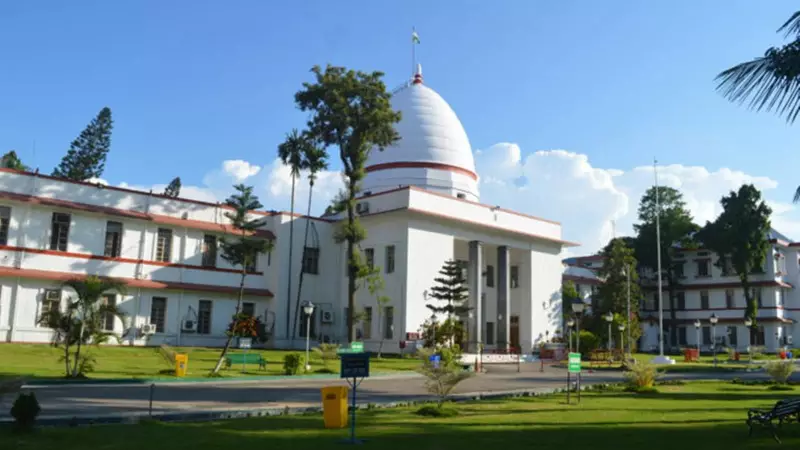
The complex is designed to house the Gauhati High Court building, advocates' and office buildings, as well as the courts for Kamrup and Kamrup Metropolitan districts, along with parking and other allied infrastructure. To address connectivity concerns, CM Sarma highlighted that a new bridge over the Brahmaputra, set to open in February, will significantly reduce travel time to the North Guwahati site.
The Core of the Controversy
The heart of the dispute lies in accessibility. The GHCBA contends that the relocation to North Guwahati, across the river from the main city, will make it harder for both lawyers and the public to access the High Court. The Bar Association has consistently cited the distance and potential inconvenience as primary reasons for their steadfast opposition to the move, leading to their boycott of the foundation ceremony.
The state government and the judiciary, however, are framing the new complex as a holistic solution that consolidates judicial services, ultimately benefiting the "consumer of justice" by bringing everything under one roof. The project now moves forward, with its success likely hinging on the resolution of these accessibility concerns and the eventual buy-in from the legal community.