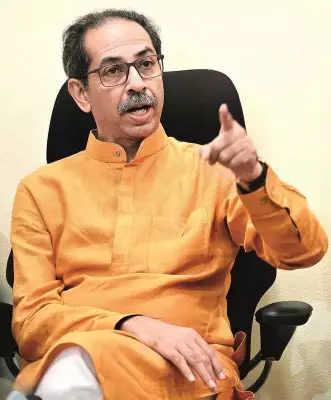
Chief Justice of India, Justice Surya Kant, delivered a powerful address on the indispensable role of empathy in the judiciary, stating it is the core differentiator between a just and an unjust society. The CJI made these remarks while speaking at the convocation ceremony of Chanakya National Law University (CNLU) in Patna on Saturday, January 4, 2026.
A Call to the New Generation of Lawyers
Addressing the graduating law students, Justice Surya Kant urged them to build careers rooted in self-belief and resilience. He emphasized that their hard-earned degrees were not merely symbols of pedigree but a recognition of their proven capabilities. "Your degrees are not symbols of where you come from, they are acknowledgements of what you have already demonstrated the capacity to do," the CJI told the gathering.
He cautioned the young graduates about the world's tendency to measure success through material markers like designations, salaries, and prestige. While acknowledging these are not irrelevant, the Chief Justice stressed that they are not definitive measures of a lawyer's true worth or contribution to society.

The Peril of Losing Empathy to Professional Intensity
Justice Surya Kant offered crucial advice for maintaining balance in the demanding legal profession. He noted that while initial intensity in a legal career is inevitable, young lawyers must guard against letting their work consume their entire identity. "If the law occupies every corner of your life, you risk losing the very empathy and judgment that justice requires," he warned.
It is this very quality of empathy, he asserted, that forms the bedrock of a fair legal framework. "This very empathy in our legal system is what distinguishes a just society from an unjust one," the CJI observed, placing human compassion at the centre of judicial philosophy.
Bending the Arc of Justice Towards the Needy
The Chief Justice of India charged the new lawyers with a solemn duty to make the law accessible to all, especially the marginalized. He reminded them that the law exists not just for those who can afford high-priced legal representation but for anyone in dire need of justice.
"As you leave this university, remember that the law is not just for those who can afford it, but for anyone who is in dire need of it," he stated. Justice Surya Kant framed their mission in transformative terms: "The question is not whether you have learnt the law, it is whether you are ready to reshape it, to bend it, also to bend the arc of justice towards the communities that need it the most."
He concluded by reminding them that the law derives its ultimate legitimacy from the people it serves. By using their skills to amplify the voices of the unheard and restore dignity to the overlooked, they would honour both their education and the constitutional promise of India.
Infrastructure Development at Patna High Court
Earlier on the same day, as part of his two-day visit to Bihar's capital, the CJI laid the foundation stone for seven significant infrastructure projects within the Patna High Court premises. These projects are aimed at modernizing judicial infrastructure and include:
- An Alternative Dispute Resolution (ADR) building
- An auditorium
- An IT building
- An administrative block
- A multi-level parking facility
- A hospital
- A residential block for ministerial staff
- An annexe for the office of the Advocate General
This development initiative underscores a parallel commitment to creating a physical ecosystem that supports efficient and accessible justice delivery.