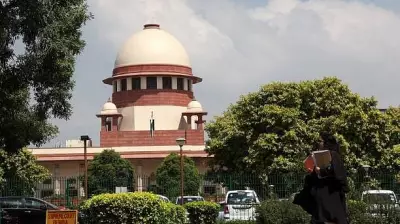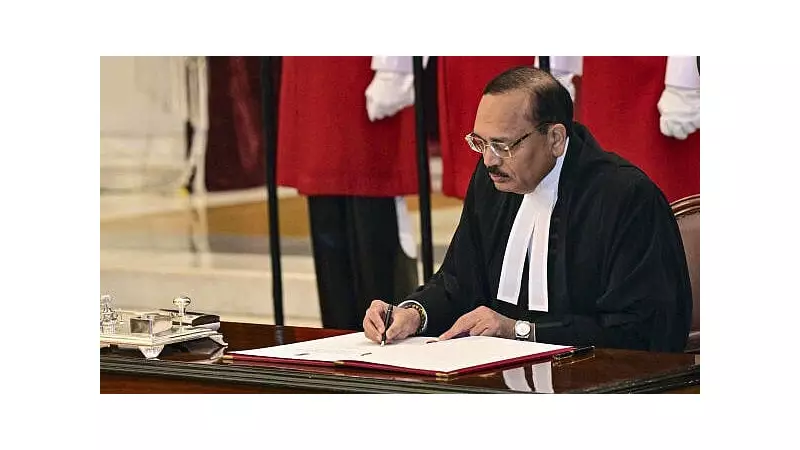
In a powerful address aimed at reaffirming the judiciary's role as a pillar for the people, Chief Justice of India (CJI) Surya Kant declared his commitment to making the Supreme Court an institution truly meant for the common citizen. Speaking at the prestigious Hindustan Times Leadership Summit on Friday, December 6, 2025, the CJI outlined his key priorities: slashing the high cost of legal battles and ensuring cases are decided within a reasonable timeframe.
Democratizing Access to Justice
The central theme of CJI Surya Kant's address was access to justice. He emphasized that the highest court of the land must not be perceived as a distant or inaccessible entity reserved for a select few. Instead, his vision is to bridge the gap between the judiciary and the public it serves. "We want to send a strong message that the Supreme Court is meant for the common man," he stated, setting a clear tone for his leadership agenda.
Two-Pronged Agenda: Cost and Time
The CJI pinpointed two major hurdles that prevent ordinary Indians from seeking justice: prohibitive expenses and inordinate delays. He identified these as critical areas requiring immediate and sustained intervention.
His first stated priority is to find concrete ways to reduce the overall cost of litigation. This involves examining the entire ecosystem of legal expenses, which often deter individuals and small entities from pursuing their rightful claims through the judicial system.
Secondly, Justice Kant stressed the urgent need to prescribe and adhere to reasonable timelines for case disposal. The uncertainty of prolonged legal processes itself constitutes a denial of justice. He indicated that his office would work towards institutionalizing time-bound frameworks to make the delivery of justice more predictable and efficient.
A Call for Systemic Reform
While the speech was delivered at the Hindustan Times Leadership Summit, its message was directed at the nation. The CJI's remarks are seen as a significant step towards acknowledging systemic issues and initiating top-down reforms. By publicly committing to these goals, the head of the Indian judiciary has placed judicial accessibility and efficiency at the forefront of the national conversation.
The announcement has been welcomed by legal experts and civil society advocates who have long called for measures to make the courts more user-friendly. The focus on cost and time directly addresses the core frustrations faced by litigants across the country. The coming months will be crucial in observing the translation of this vision into actionable policies and procedural changes within the Supreme Court and potentially, the wider judicial framework.