

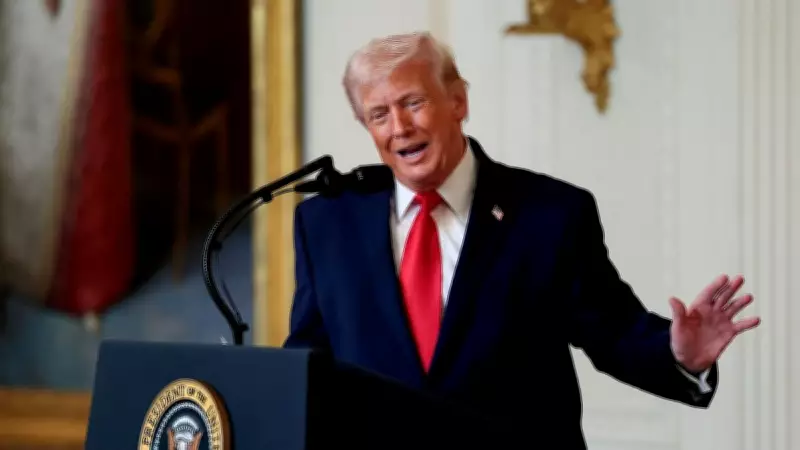
Trump Escalates Rhetoric with Threats Against Iran's Kharg Island
Former President Donald Trump has intensified his verbal attacks on Iran, explicitly threatening further military strikes targeting the nation's critical Kharg Island. In a significant escalation of his previous statements, Trump also called upon allied nations to bolster security measures around the strategically vital Strait of Hormuz.
A Shift in Military Posture and Rhetoric
These latest comments represent a marked departure from Trump's earlier assertions regarding U.S. military actions in the region. Previously, the former president had maintained that American operations were strictly limited to targeting Iranian military installations and assets. The new threats against Kharg Island, a major hub for Iranian oil exports located in the Persian Gulf, signal a potential broadening of scope and a more aggressive public stance.
The specific mention of Kharg Island is particularly notable due to its economic and strategic importance to Iran. Any military action against this facility could have severe repercussions for global energy markets and regional stability.

Call for Allied Action in the Strait of Hormuz
Concurrently, Trump has applied pressure on international allies, urging them to take a more active role in securing the Strait of Hormuz. This narrow waterway is a chokepoint for approximately one-fifth of the world's oil supply, making its security a matter of global concern.
The dual focus on Kharg Island and the Strait of Hormuz underscores a comprehensive approach to pressuring Iran, targeting both a key asset and a critical maritime passageway.
Context and Potential Implications
The escalation in rhetoric comes amidst ongoing tensions in the Middle East. Analysts suggest that such statements could be aimed at several objectives:
- Deterring Iranian activities perceived as aggressive.
- Signaling resolve to domestic and international audiences.
- Prompting allied nations to increase their military and diplomatic commitments in the region.
However, this hardened language also raises the risk of miscalculation and could further inflame an already volatile situation. The international community is likely to monitor subsequent developments closely, assessing whether these threats translate into concrete policy or remain at the level of rhetorical posturing.
The situation remains fluid, with the potential for significant impact on diplomatic relations, energy security, and regional military postures.






