

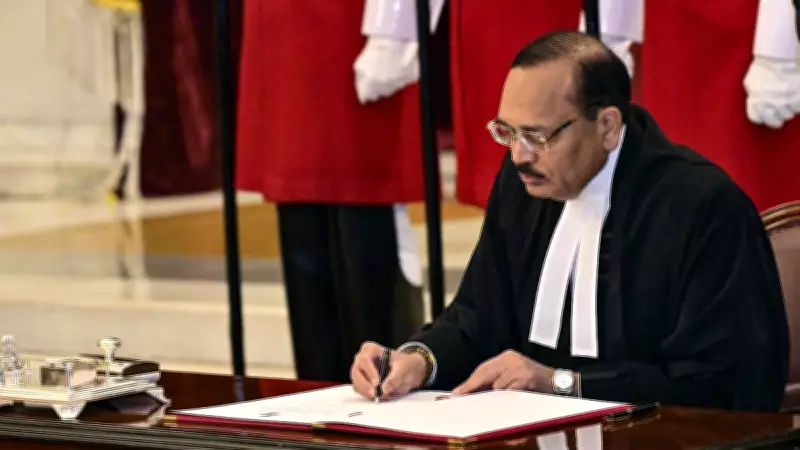
CJI Surya Kant Steps Aside from Election Commission Appointments Case
In a significant development at the Supreme Court of India, Chief Justice Surya Kant has recused himself from hearing a crucial case concerning the appointments law for the Election Commission of India. This decision, announced during a hearing session, stems from a potential conflict of interest, though specific details were not disclosed in open court. The recusal has immediate implications for the judicial process, as the case challenges the constitutional validity of the government's newly enacted framework for selecting election commissioners.
Background of the Legal Challenge
The case in question centers on a petition that contests the Election Commission (Appointment, Conditions of Service and Term of Office) Act, 2023. This legislation, passed by Parliament, outlines a revised procedure for appointing members to the Election Commission, including the Chief Election Commissioner. Critics argue that the law undermines the independence of the commission by altering the selection committee's composition, potentially giving the executive branch undue influence. The Supreme Court had previously issued directives to ensure transparency and fairness in these appointments, making this hearing a pivotal moment for electoral integrity in India.
Impact of the Recusal on Proceedings
With CJI Surya Kant's recusal, the bench hearing the case will need to be reconstituted. This means the matter will be reassigned to another panel of judges, likely causing a delay in the proceedings. Legal experts note that such recusals are not uncommon in high-profile cases where judges may have personal or professional connections that could affect impartiality. However, they emphasize that this move underscores the judiciary's commitment to upholding ethical standards and avoiding any perception of bias. The Supreme Court registry is expected to list the case before a new bench soon, ensuring continuity in addressing the constitutional questions raised.

Broader Implications for Indian Democracy
This development occurs against a backdrop of ongoing debates about the autonomy of key institutions in India. The Election Commission plays a vital role in overseeing elections and maintaining democratic norms, making its appointment process a matter of national importance. The recusal by CJI Surya Kant highlights the delicate balance between judicial oversight and executive authority. As the case moves forward, it will be closely watched by political analysts, legal scholars, and the public, as its outcome could shape the future of electoral governance and reinforce checks and balances within the Indian political system.






