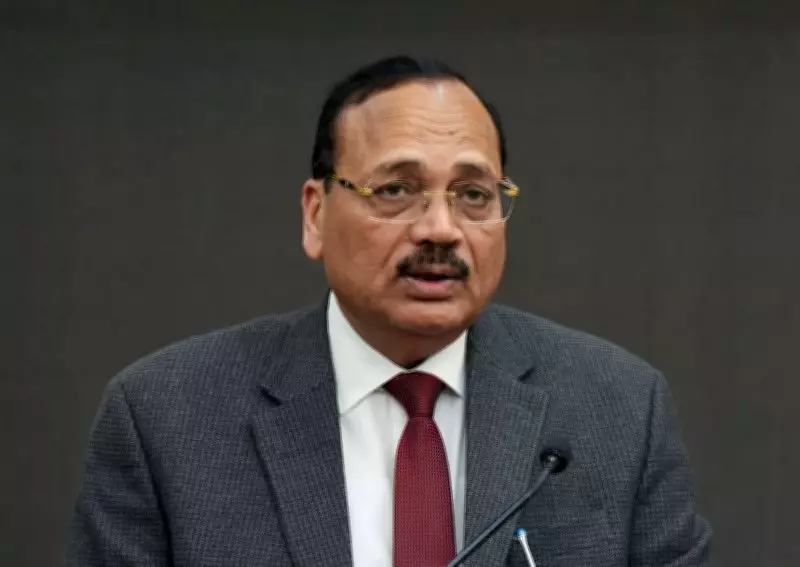
CJI Surya Kant Advocates for a Transformed, Citizen-Centric Judiciary
Chief Justice of India (CJI) Surya Kant has issued a compelling call for the judiciary to undergo a significant transformation, aiming to make it more accessible, responsive, and seamlessly integrated into the daily lives of citizens. In a recent address, he stressed that the future of India's legal system must evolve beyond traditional frameworks to meet modern societal needs.
Emphasis on Accessibility and Responsiveness
CJI Surya Kant highlighted that the judiciary should not function as a distant institution but as a service-oriented entity that citizens can readily approach. He pointed out that many individuals, especially from marginalized communities, face barriers in accessing justice due to procedural complexities, high costs, and geographical constraints. To address this, he advocated for reforms that simplify legal processes and reduce delays, ensuring timely resolution of cases.
Key aspects of this transformation include:

- Digital Integration: Leveraging technology to enable online filing of cases, virtual hearings, and e-courts to enhance convenience and reduce physical barriers.
- Proactive Outreach: Implementing initiatives like legal aid camps and awareness programs to educate citizens about their rights and legal remedies.
- Streamlined Procedures: Reforming archaic rules and adopting user-friendly practices to make the court system less intimidating and more efficient.
Integration into Daily Life
The CJI emphasized that the judiciary must become an integral part of citizens' everyday experiences, rather than being perceived as a last resort during crises. He suggested that legal services should be as accessible as other public utilities, with courts adopting a more holistic approach to dispute resolution. This involves promoting alternative dispute mechanisms like mediation and arbitration, which can resolve conflicts amicably and reduce the burden on traditional courts.
Furthermore, CJI Surya Kant called for greater collaboration between the judiciary, government agencies, and civil society to address systemic issues such as backlog of cases and infrastructure gaps. He noted that an integrated approach would foster trust in the legal system and empower citizens to seek justice without fear or hesitation.
Future Directions and Challenges
While outlining this vision, the CJI acknowledged the challenges in implementing such reforms, including resistance to change, technological disparities, and funding constraints. However, he expressed confidence that with concerted efforts from all stakeholders, including judges, lawyers, and policymakers, a more responsive judiciary is achievable. He urged the legal community to embrace innovation and prioritize citizen welfare in their deliberations.
In conclusion, CJI Surya Kant's remarks underscore a pivotal shift towards a judiciary that is not only a pillar of democracy but also a proactive service provider. By focusing on accessibility, responsiveness, and integration, India's legal system can better serve its diverse population and uphold the principles of justice in an evolving society.