

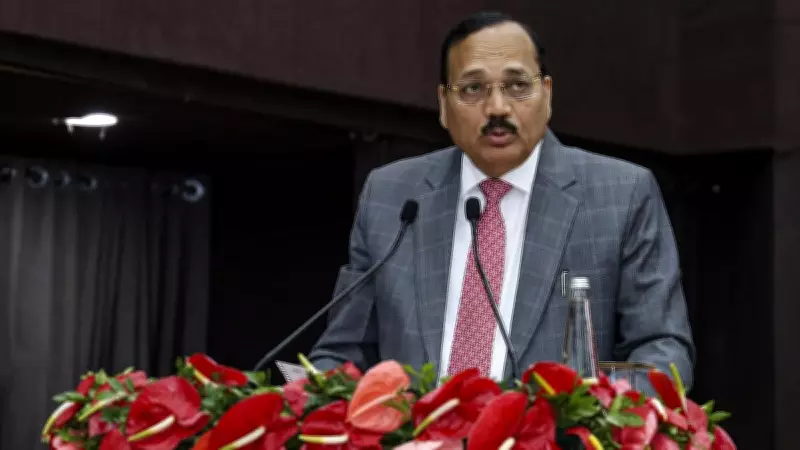
CJI Calls for Expedited Filling of Vacant Judicial Posts, Emphasizes Women's Elevation
In a significant move to address the persistent issue of judicial vacancies, the Chief Justice of India (CJI) has written to the chief justices of 25 High Courts across the country. According to reliable sources, the communication was dispatched last week, highlighting the urgent need to fill the numerous vacant positions in the higher judiciary. The CJI's letter underscores the critical importance of expediting this process to ensure the smooth functioning of the courts and reduce the backlog of cases.
Focus on Increasing Women's Representation in the Judiciary
Beyond merely addressing vacancies, the CJI has placed a strong emphasis on prioritizing the elevation of women judges to the benches. This initiative aims to enhance gender diversity and representation within the Indian judiciary, which has historically seen lower numbers of women in senior judicial roles. By advocating for this change, the CJI seeks to promote inclusivity and bring varied perspectives to the judicial system, potentially leading to more balanced and equitable outcomes in legal proceedings.
The letter reportedly details the current state of vacancies and outlines strategies for accelerating appointments. It calls for a concerted effort from all High Courts to identify and recommend suitable candidates promptly, with a particular focus on qualified women jurists. This move is seen as a step towards modernizing the judiciary and aligning it with broader societal goals of gender equality and empowerment.

Implications for Judicial Efficiency and Reform
The CJI's directive is expected to have far-reaching implications for judicial efficiency and reform. Filling vacant posts swiftly could help alleviate the burden on existing judges, reduce case pendency, and improve access to justice for citizens. Moreover, by increasing the representation of women, the judiciary may become more reflective of India's diverse population, fostering greater public trust and confidence in the legal system.
This development comes at a time when the Indian judiciary is grappling with challenges related to capacity and diversity. The CJI's proactive approach signals a commitment to addressing these issues head-on, potentially setting a precedent for future reforms. Stakeholders, including legal experts and advocacy groups, have welcomed this initiative, viewing it as a positive step towards a more robust and inclusive judicial framework.
As the High Courts begin to respond to the CJI's call, the coming months will be crucial in determining the effectiveness of this effort. The success of this initiative could pave the way for further reforms aimed at strengthening the judiciary and ensuring it meets the evolving needs of Indian society.






