

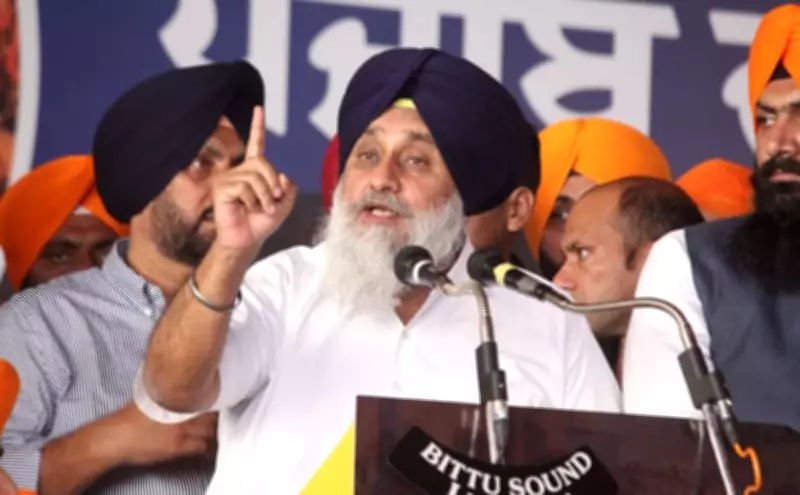
Chandigarh Court Approves Exemption Application for Sukhbir Badal in Defamation Proceedings
A court in Chandigarh has officially granted an exemption plea filed by Shiromani Akali Dal (SAD) president Sukhbir Singh Badal, allowing him to avoid personal appearance in an ongoing criminal defamation case. This legal development comes as part of proceedings related to allegations that Badal made defamatory remarks during political addresses.
Details of the Court's Decision and Case Background
The court's ruling permits Sukhbir Badal to be represented by his legal counsel instead of appearing in person for the hearings. This exemption is typically granted under specific circumstances, such as health issues, official duties, or other valid reasons, though the exact grounds cited in this plea have not been publicly disclosed in detail.
The defamation case stems from accusations that Badal delivered statements deemed harmful to the reputation of individuals or groups during his political campaigns. Such cases are common in Indian politics, where leaders often face legal challenges over speeches and public comments.

Legal Implications and Political Context
In India, defamation is a criminal offense under Sections 499 and 500 of the Indian Penal Code, punishable by imprisonment or fines. The court's decision to allow an exemption does not affect the merits of the case itself but addresses procedural aspects of Badal's attendance.
This move could have significant implications for Badal's political engagements, as it may reduce disruptions to his schedule while the legal process continues. The Shiromani Akali Dal, a major political party in Punjab, has been involved in various legal and electoral battles, making this case a point of interest in regional politics.
Broader Impact on Political Discourse and Legal Precedents
The exemption highlights the balance courts must strike between ensuring justice and accommodating the practical needs of public figures. It also raises questions about how defamation laws are applied in political contexts, where speech is often scrutinized for its impact.
- The case underscores the ongoing tensions between free expression and legal accountability in Indian democracy.
- Legal experts note that such exemptions are not uncommon but require judicial approval based on valid reasons.
- The outcome of this defamation case could influence future political speech and litigation strategies.
As the proceedings advance, stakeholders will be watching closely for further developments, including potential hearings and the final verdict. The court's handling of this exemption plea sets a procedural precedent for similar cases involving high-profile political leaders.






