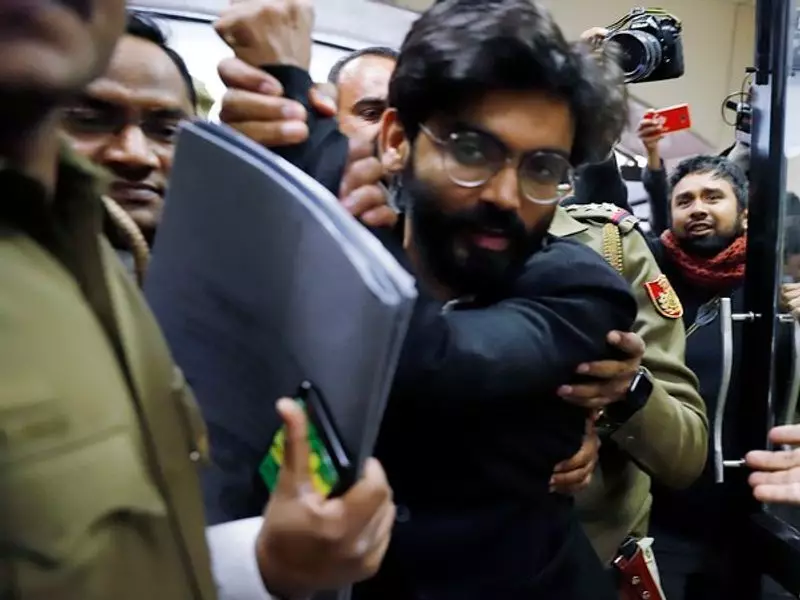
A Delhi court is currently engaged in hearing detailed arguments regarding the framing of charges against former JNU student leader Umar Khalid, activist Sharjeel Imam, and several others. The case pertains to a larger conspiracy allegedly behind the devastating communal riots that engulfed northeast Delhi in February 2020.
Prosecution's Allegations of a Pre-Planned Conspiracy
The prosecution, represented by the Delhi Police, has put forth a narrative of a meticulously planned conspiracy. They allege that the accused individuals, including Khalid and Imam, were part of a larger group that orchestrated the riots. The violence resulted in the deaths of 53 people and left hundreds injured over several days in February 2020.
According to the police, the conspiracy was hatched to create widespread disruption and destabilize the capital. The chargesheet claims the accused used the protests against the Citizenship Amendment Act (CAA) as a cover to execute their plan. The prosecution is arguing for charges under the stringent Unlawful Activities (Prevention) Act (UAPA) and various sections of the Indian Penal Code, including those related to rioting, conspiracy, and promoting enmity.
Key Arguments and Legal Proceedings
Additional Sessions Judge Sameer Bajpai is presiding over the hearings. The prosecution has been presenting its case, linking the actions and speeches of the accused to the outbreak of violence. They have cited electronic evidence, including social media posts and communication records, to build their case of a coordinated effort.
The defense lawyers for the accused are expected to counter these allegations. They have previously argued that their clients are being targeted for their dissent and that there is no concrete evidence linking them directly to the violence that occurred. The court's task is to determine if there is sufficient prima facie evidence to proceed to a formal trial by framing charges against the accused.
Other individuals named in the case include activists Khalid Saifi, Ishrat Jahan, Meeran Haider, and former AAP councillor Tahir Hussain, among others. The case is one of several being investigated in connection with the riots, which marked one of the worst episodes of communal violence in Delhi in decades.
Broader Context and Implications
The 2020 Delhi riots erupted during a period of heightened tensions over the CAA and the proposed National Register of Citizens (NRC). The hearings in this conspiracy case are being closely watched, as they touch upon issues of free speech, the state's response to protest, and the legal process in complex cases involving allegations of terrorism and conspiracy.
The outcome of the arguments on charges will be a critical juncture. If the court decides to frame charges under the UAPA, it would mean the case will proceed to trial under this powerful anti-terror law, which has strict bail provisions. The next date of hearing has been scheduled for further arguments from both sides.