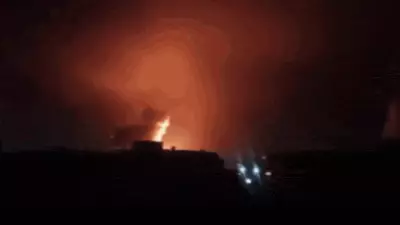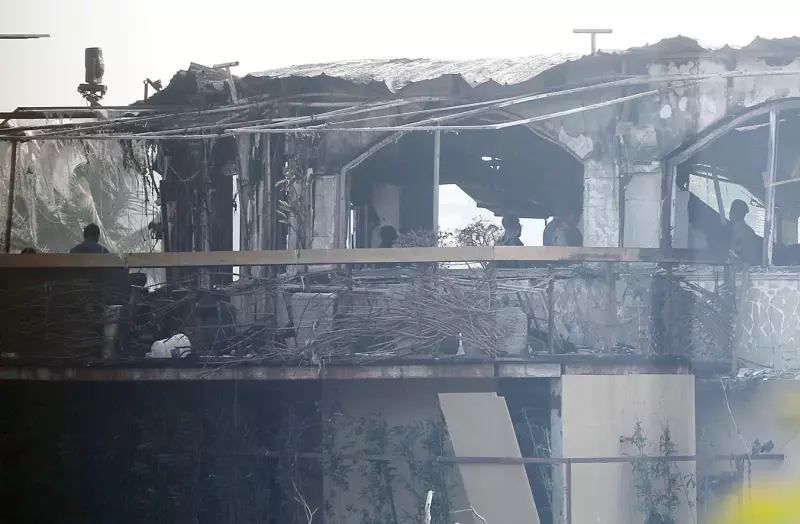
In a significant development following the devastating fire at Birch by Romeo Lane in Panaji, the amicus curiae appointed in the related public interest litigation has called for stringent systemic reforms. Rohit Bras de Sa has formally requested the constitution of a court-monitored, multi-agency task force to prevent future tragedies.
Systemic Failures Led to Avoidable Tragedy
In a memorandum filed on Monday, de Sa presented a grim analysis of the incident that claimed 25 lives earlier this month. He asserted that the fire was not an unforeseeable accident but the direct result of systematic, multi-layered non-compliance and non-enforcement of building and safety laws. The tragedy, he stated, occurred due to an abdication of statutory duties under key legislations including the Goa Land Development and Building Construction Act, 2008, its 2010 Rules, the TCP Act, the Goa Panchayat Raj Act, and Coastal Regulation Zone (CRZ) regulations.
Key Demands for a Regulatory Overhaul
The amicus curiae has proposed a concrete mechanism to identify officials responsible for granting permissions to the ill-fated Birch establishment. His primary recommendation is the formation of a special task force with a clear mandate: to identify all high-risk establishments along Goa's coastal belt and conduct thorough audits for compliance with building, CRZ, fire safety, and trade-licensing norms.

Furthermore, de Sa has sought crucial judicial directions to close existing loopholes. He requested the court to declare that any interim stay on demolition or closure orders from appellate forums does not grant a positive right to operate commercially if the premises lacks a valid occupancy certificate and a No Objection Certificate (NOC) from the fire department.
Immediate Licensing Freeze and Automatic Suspension
Perhaps the most impactful immediate measure proposed is a directive to all local governing bodies—panchayats, municipal councils, and the Corporation of the City of Panaji (CCP). De Sa has urged that, with immediate effect, they must refrain from granting or renewing trade licences for a wide range of establishments until strict documentation is produced.
The list of affected businesses includes:
- Nightclubs, bars, and discotheques
- Restaurants, hotels, and resorts
- Spas and banquet halls
- Mixed-use complexes with assembly or hospitality components
Applicants must now produce a valid completion order from the Planning & Development Authority/Town & Country Planning (PDA/TCP) department, a valid occupancy certificate from the local body, a current fire NOC, and, where applicable, valid CRZ/Goa Coastal Zone Management Authority approvals and Goa State Pollution Control Board consents to operate.
De Sa's memorandum also introduces an automatic suspension clause. It states that the expiry, suspension, or cancellation of any of these mandatory approvals should automatically lead to the suspension of the trade licence. This is without prejudice to the separate powers of authorities to order closure or sealing of the premises.
The proposals by Rohit Bras de Sa represent a comprehensive attempt to address the regulatory failures exposed by the Panaji fire. If implemented, they could transform the enforcement landscape for commercial establishments in Goa's vulnerable coastal zones, aiming to ensure that such a preventable loss of life never occurs again.