Cuba's Endurance Through Decades of US Economic Pressure
For an astonishing 66 years, the island nation of Cuba has navigated the turbulent waters of a comprehensive US-led economic embargo, a policy that has shaped its political landscape and economic resilience. This prolonged period of isolation and sanctions, initiated in the early 1960s, has tested Cuba's ability to sustain its socialist system and maintain sovereignty in the face of immense external pressure.
The Historical Context of the Embargo
The origins of the embargo trace back to the Cold War era, following the Cuban Revolution that brought Fidel Castro to power. The United States, viewing Cuba's alignment with the Soviet Union as a direct threat, imposed a series of trade restrictions and financial sanctions aimed at destabilizing the government. Over the decades, these measures have evolved, but their core objective—to exert economic strain and prompt political change—has remained consistent.
Despite the embargo, Cuba has developed a unique economic model, relying on partnerships with other nations such as the Soviet Union during the Cold War and, more recently, countries like Venezuela and China. This has allowed it to build a healthcare and education system that is often praised internationally, even as it grapples with shortages and inefficiencies caused by the sanctions.

Trump's Intensified Blockade: A New Challenge
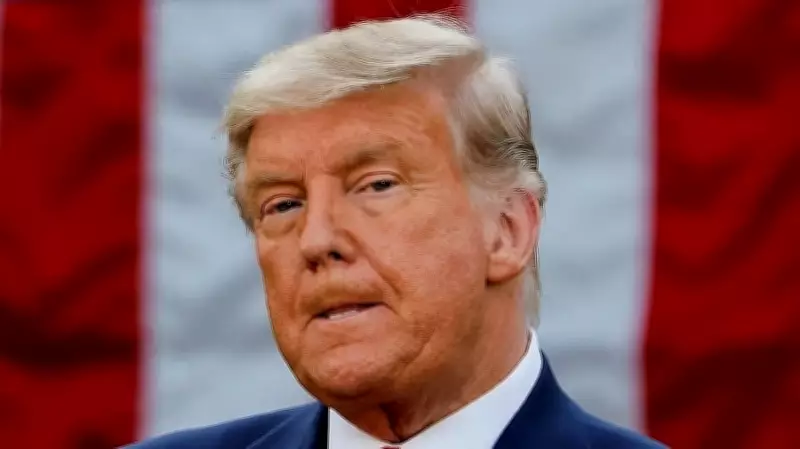
Under the administration of former President Donald Trump, the US embargo on Cuba was significantly tightened, reversing the modest openings made during the Obama era. The Trump blockade introduced harsher measures, including restrictions on remittances, travel bans for Americans, and penalties for companies doing business with Cuban entities. These actions have exacerbated Cuba's economic woes, leading to increased scarcity of goods, fuel shortages, and a decline in tourism revenue.
The impact of these intensified sanctions has been profound, with reports indicating a sharp contraction in Cuba's GDP and growing public discontent. The blockade has not only hindered economic growth but also affected everyday life for Cubans, making it harder to access essential items like food and medicine. This has sparked debates on whether Cuba's long-standing resilience might finally be at a breaking point.
Cuba's Response and International Reactions
In response to the Trump-era blockade, Cuba has doubled down on its calls for an end to the embargo, framing it as an act of economic warfare that violates international law. The Cuban government has sought to strengthen ties with allies and explore alternative economic strategies, such as promoting domestic production and seeking investment from non-US sources.
Internationally, the embargo has drawn widespread criticism, with many countries and organizations, including the United Nations, repeatedly voting to condemn it as a violation of Cuba's sovereignty. However, the US has maintained its position, citing human rights concerns and political differences as justification for the sanctions.
Looking Ahead: Will Cuba Survive?
The question now is whether Cuba can continue to withstand the pressure, especially with the ongoing effects of the Trump blockade. Experts suggest that while the country has shown remarkable adaptability over the past 66 years, the current economic strain poses a serious threat to its stability. Factors such as global economic shifts, domestic reforms, and potential changes in US policy under the Biden administration will play crucial roles in determining Cuba's future.
In conclusion, Cuba's journey through 66 years of US-led embargoes is a testament to its resilience, but the intensified blockade under Trump presents new and daunting challenges. As the world watches, the island's ability to adapt and survive will continue to be a focal point in international relations and economic discussions.