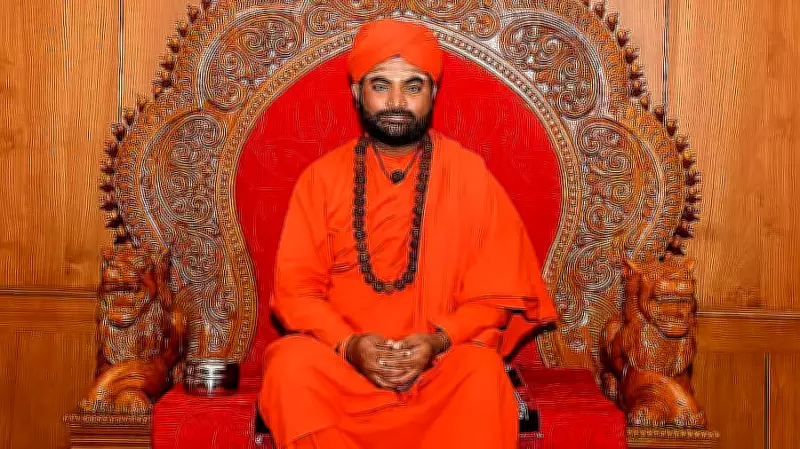
The District Child Welfare Committee (CWC) has submitted a two-page report in the Vachanananda Swamiji case after recording the statements of three boys who are said to be victims. The report was handed over to the Rural Police Station on May 16, according to officials.
Details of the Report Submission
The CWC, which is responsible for safeguarding children's rights, took statements from the three boys to understand the nature of the alleged offenses. The committee then compiled its findings into a concise two-page document. This report is expected to aid the ongoing investigation into the case involving Vachanananda Swamiji, a religious figure facing accusations of sexual assault.
Background of the Case
The case came to light after allegations of sexual misconduct were made against Vachanananda Swamiji. The incidents reportedly occurred in Harihar, a town in Karnataka. The police had registered a case under the Protection of Children from Sexual Offences (POCSO) Act, 2012, along with other relevant sections of the Indian Penal Code.

The involvement of the CWC underscores the seriousness of the allegations, as the committee is mandated to ensure the welfare of children in such sensitive cases. The statements recorded from the boys are crucial evidence in determining the veracity of the claims.
Next Steps in the Investigation
With the CWC report now submitted, the Rural Police Station will proceed with further investigation. The police are expected to analyze the report alongside other evidence collected so far. Legal experts suggest that the report could play a pivotal role in building the case against the accused.
Authorities have assured that the investigation will be conducted thoroughly and impartially. The focus remains on ensuring justice for the alleged victims while maintaining the confidentiality of the minors involved.
Reactions and Public Interest
The case has attracted significant public attention due to the stature of the accused. Vachanananda Swamiji is a well-known spiritual leader, and the allegations have sparked debates about accountability in religious institutions. Local community members have expressed mixed reactions, with some calling for a fair trial and others demanding swift action.
The CWC's prompt action in recording statements and submitting the report has been appreciated by child rights activists. They emphasize the importance of such committees in protecting vulnerable children and ensuring that their voices are heard in legal proceedings.
As the investigation progresses, more details are expected to emerge. The police have urged the public to avoid speculation and allow the legal process to take its course.