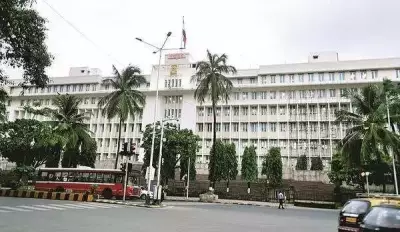
Delhi Bomb Threat Hoax Triggers High-Alert Security Response
A significant bomb threat hoax in Delhi on February 23, 2026, prompted an immediate and extensive security mobilization across the capital. Authorities swiftly deployed bomb disposal squads, conducted thorough searches at multiple locations, and heightened surveillance measures. The incident, which occurred around 10:18 PM IST, was later confirmed to be a false alarm, but it exposed vulnerabilities in urban security protocols and highlighted the persistent threat of terror-related disruptions.
India Unveils Prahaar Anti-Terror Doctrine
In response to growing global security challenges, the Indian government has officially launched the Prahaar anti-terror doctrine. This comprehensive strategy aims to enhance counter-terrorism capabilities through advanced intelligence sharing, rapid response mechanisms, and international cooperation. The doctrine emphasizes a proactive approach to dismantling terror networks before they can execute attacks, marking a shift from reactive measures to preventive action.
Targeting Over 60 International Terror Groups
The Prahaar doctrine specifically identifies and targets more than 60 international terror organizations operating across various regions. This list includes groups involved in cross-border terrorism, cyber threats, and radicalization activities. By focusing on these entities, India seeks to disrupt their funding channels, recruitment processes, and operational logistics through coordinated efforts with allied nations.
Implications for National and Global Security
The introduction of the Prahaar doctrine signals India's commitment to strengthening its national security framework while contributing to global counter-terrorism initiatives. Experts suggest that this move could lead to increased diplomatic engagements and joint military exercises with partner countries. However, challenges remain in implementing such a broad strategy, including navigating geopolitical complexities and ensuring technological interoperability among different security agencies.
Recent Security Incidents Across India
In related developments, several security-related incidents have been reported from various cities, underscoring the diverse threats faced by the nation:
- Gurgaon: A woman was tortured, and approximately 450 shanties were razed in a demolition drive, while an ex-armyman died by suicide.
- Vadodara: Authorities arrested a man for planting explosives, a rider was killed in a dumper accident, and SPU alumni funded vaccine initiatives.
- Indore: Cases involving second chances, wildlife warnings, and shocking crimes were highlighted.
- Noida: An SUV crash into vans resulted in a woman's death, a teen's case was dropped, and a man lost ₹65 lakh in a forex scam.
- Kolkata: Political rebranding signals emerged, a woman was molested in a car, and a Malda man was stabbed in Madhya Pradesh.
- Ranchi: A man was murdered over an affair, a Dalit individual was lynched in mob violence, and RPF seized 14 kg of marijuana.
- Allahabad: A swami denied POCSO charges, eight people were held for attacking a revenue team, and a body was discovered.
- Bhopal: Road work faced criticism, minors were stabbed during a snooker club raid, and schoolgirls boarded a train safely.
- Chandigarh: Incidents involving tragedy, innovation, safety concerns, and civic action were reported.
- Hyderabad: A temple clash led to traffic chaos, and a Maoist surrendered to authorities.
These events collectively emphasize the multifaceted nature of security and governance issues in India, ranging from urban threats to rural conflicts. The Delhi hoax and the Prahaar doctrine announcement come at a critical juncture, prompting renewed discussions on resilience, preparedness, and international collaboration in combating terrorism and maintaining public order.