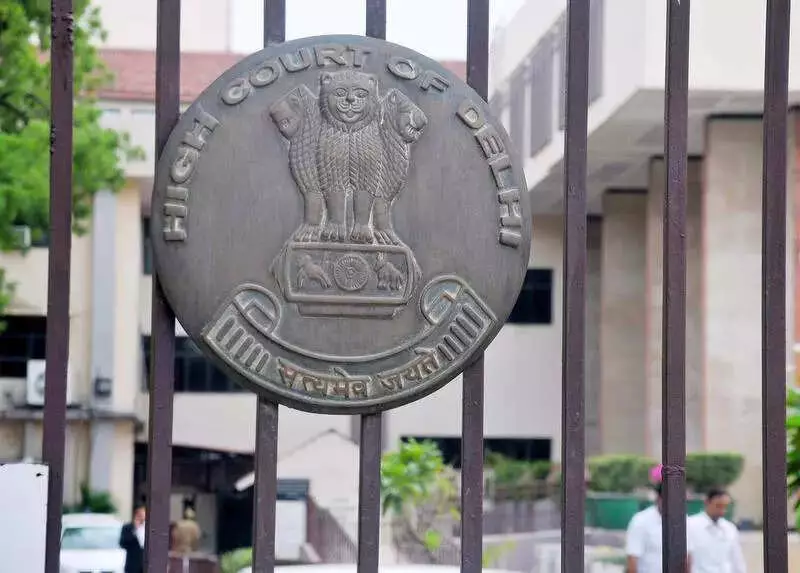
The Delhi High Court has intervened in a critical public safety issue, demanding immediate answers from authorities on the unchecked operation of e-rickshaws in the national capital. This action follows a heart-wrenching Public Interest Litigation (PIL) filed by a grieving father.
A Father's Tragedy Spurs Legal Action
The court's involvement stems from a PIL submitted by Manish Parashar, who suffered an unimaginable loss last year. His eight-year-old daughter was killed in a tragic accident while traveling to school in an e-rickshaw. A bench led by Chief Justice DK Upadhyaya and Justice Tejas Karia heard the plea and issued formal notices to the Delhi government, the Transport Department, the Traffic Police, and the Municipal Corporation of Delhi (MCD).
The court has directed these authorities to provide detailed information on the measures they have implemented or plan to implement to regulate the plying of e-rickshaws across the city.

Unregulated Proliferation: A "Relentless Menace"
During the proceedings, the petitioner's counsel highlighted severe public safety concerns. The accident that claimed the young girl's life occurred when a speeding e-rickshaw overturned. Shockingly, the vehicle was uninsured and operating on a road where it was prohibited.
The PIL paints a grim picture of systemic failure, describing an "unchecked proliferation" of these battery-operated vehicles. It argues that e-rickshaws have become a "relentless menace" in Delhi, with large numbers flouting basic safety and technical standards. The absence of effective regulation is creating daily hazards for passengers, pedestrians, and other road users.
Alarming Statistics Underline the Crisis
The petition grounds its argument in hard data from the traffic police. The figures reveal a disturbing trend: between January 1 and August 20, 2025, Delhi witnessed 108 accidents involving e-rickshaws. These incidents resulted in 26 fatalities, underscoring the urgent need for intervention.
The court's decision to seek a formal response signals a potential turning point in addressing this urban transport crisis. The authorities must now outline concrete steps to ensure safety standards, enforce insurance mandates, regulate routes, and control the rampant growth of these vehicles to prevent further loss of life.