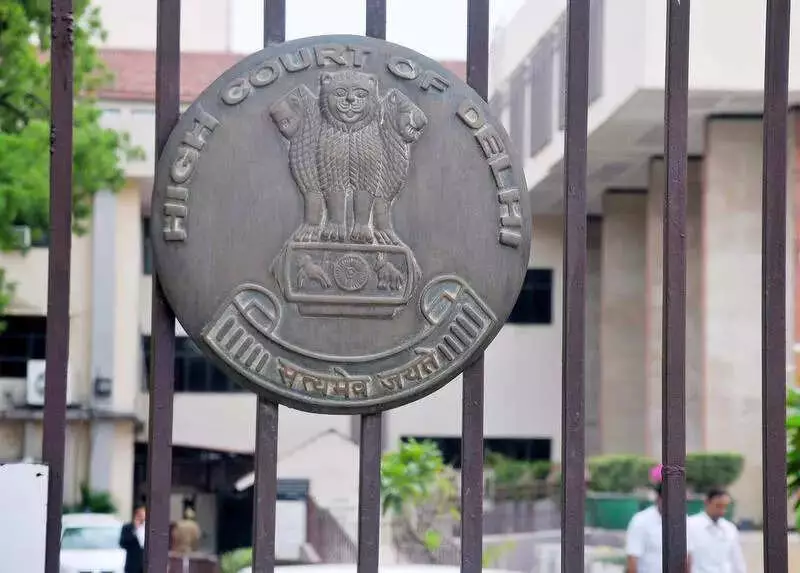
Delhi High Court Issues Stern Warning to Police on Protecting Survivor Identity
The Delhi High Court has issued a crucial directive to law enforcement agencies, emphasizing that the identity of survivors of sexual assault must be rigorously protected in all legal proceedings. In a significant ruling, the court cautioned police officers against disclosing any details that could reveal the identity of survivors in documents submitted to courts.
Court's Concern Over Status Report Disclosure
Justice Swarana Kanta Sharma expressed serious concern while rejecting a bail application in a case registered under the Protection of Children from Sexual Offences (POCSO) Act. The court noted with alarm that the investigating officer had mentioned the name of the minor survivor in the status report filed before the court, violating established legal protections.
The judge specifically directed the Deputy Commissioner of Police of the concerned area to sensitize all Station House Officers under their jurisdiction. The directive mandates strict compliance with legal provisions that prohibit the disclosure of names, parentage, or addresses of sexual assault survivors in any status report or document filed before courts.
Specific Directions for Police Compliance
The court ordered that a copy of the judgment be forwarded to both the concerned DCP and the Commissioner of Police, Delhi, for immediate implementation and compliance. This move aims to ensure that all police personnel handling such sensitive cases adhere to the legal requirements designed to protect survivors from further trauma and social stigma.
The court emphasized that protecting survivor identity isn't merely procedural but fundamental to ensuring justice and dignity for victims of sexual violence. This directive comes as part of broader efforts to strengthen the implementation of laws protecting vulnerable individuals within the justice system.
Case Background and Court's Observations
The high court was hearing a bail plea in a case where a man allegedly sexually assaulted a 12-13 year old girl in 2021. According to prosecution claims, the accused took the minor away from her home under false pretenses, confined her in a room, and forcefully established physical relations with her. The girl was subsequently traced and rescued by her family members.
The accused contended that he was in a consensual relationship with the mother of the prosecutrix and claimed false implication due to the minor's resentment of their relationship. He also argued that during 2021, movement restrictions and limited social interaction due to COVID-19 made the alleged offense unlikely to have occurred as described.
Court Rejects Pandemic-Related Defense
Justice Sharma firmly rejected these arguments, observing that the mere fact that the alleged incident occurred during the pandemic couldn't automatically discredit the survivor's version or presume the offense couldn't have been committed. The court maintained that extraordinary circumstances don't negate the possibility of criminal acts occurring.
Furthermore, the court noted that even if the mother had visited the accused in jail or allegedly accepted money from him, these actions didn't diminish the gravity of the offense at this stage. The judge emphasized that "the offence complained of is against a child and its seriousness cannot be assessed through the conduct of a third party."
Broader Implications for Survivor Protection
This ruling reinforces several important legal principles:
- Strict adherence to identity protection provisions in sexual offense cases
- Mandatory police sensitization on survivor rights and legal requirements
- Rejection of circumstantial arguments that attempt to undermine survivor testimony
- Recognition that third-party conduct doesn't diminish the seriousness of crimes against children
The Delhi High Court's directive serves as a timely reminder to law enforcement agencies about their crucial role in protecting survivors' dignity throughout legal proceedings. By ensuring strict compliance with identity protection laws, the court aims to create a more supportive environment for survivors seeking justice while maintaining the integrity of legal processes.