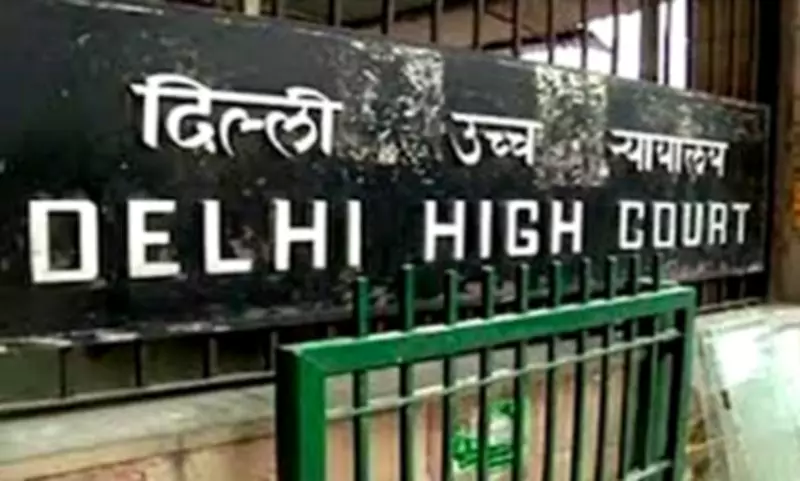
Justice Girish Kathpalia of the Delhi High Court observed a growing trend of complainants invoking serious sexual offence allegations in matrimonial disputes to coerce in-laws into monetary settlements. The observation came while staying trial court proceedings against two brothers-in-law accused of rape and other offences by their brother's estranged wife.
Court's Observation on Abuse of Legal Process
The court noted that allegations of rape, molestation, and similar sexual misconduct are increasingly being invoked after the Supreme Court's 2014 judgment in Arnesh Kumar versus Bihar, which curtailed automatic arrests in cases under Sections 498A and 406 of the Indian Penal Code. “A trend is setting in where the complainants have started alleging such serious charges of rape, molestation and similar other sexual misconduct only to ensure that the in-laws of the complainant are compelled to settle the matrimonial disputes by paying hefty amounts,” the court observed.
Details of the Case
The remarks were made while hearing a petition seeking quashing of an FIR registered at Sangam Vihar police station against the two brothers-in-law. Senior advocate Rishi Malhotra, representing the petitioners, argued that the criminal case was filed out of vengeance after the complainant's husband initiated divorce proceedings in September 2023. According to the petition, the complainant lodged the FIR in April 2024, months after the divorce petition was filed.

Delay in Raising Rape Allegation
The petitioners pointed out that the original FIR contained no allegation of rape. The complainant first made the rape allegation in her statement under Section 164 of the Code of Criminal Procedure in June 2024, claiming the alleged offence occurred in 2017. The defence argued that there was no explanation for the delay of nearly seven years in raising the allegation. The High Court found substance in the petitioners' contention and stayed the proceedings against them. It directed the State of Delhi to file a status report and issued notice to the complainant.