Delhi High Court Grants Bail to SDPI President MK Faizy in Money Laundering Case
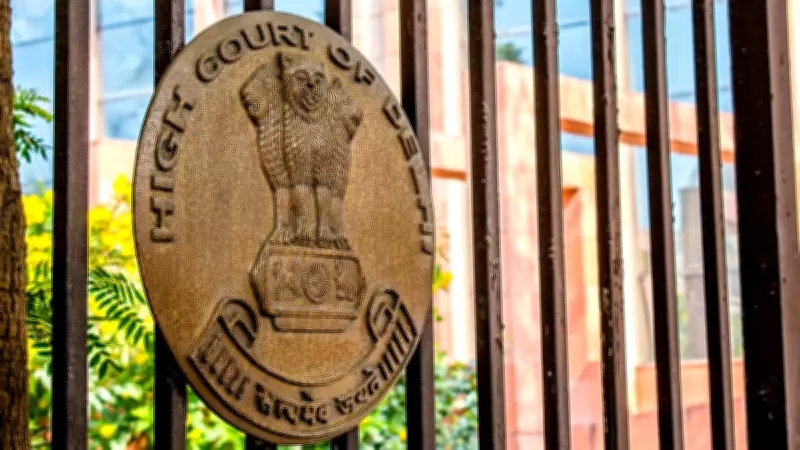
The Delhi High Court has granted bail to MK Faizy, the president of the Social Democratic Party of India (SDPI), in a high-profile money laundering case. This decision marks a significant development in the ongoing legal proceedings against the political leader.
Background of the Case and SDPI's Alleged Links
The Social Democratic Party of India, which was founded in 2009 and is headquartered in Delhi, has been under scrutiny due to allegations that it serves as the political front for the now-banned Popular Front of India (PFI). The PFI was outlawed by the Indian government over concerns related to its activities and affiliations.
MK Faizy's arrest and subsequent bail application have drawn attention to the broader context of the case, which involves serious charges of money laundering. The prosecution had argued against granting bail, citing the gravity of the offenses and potential flight risk.
Court's Decision and Implications
In its ruling, the Delhi High Court considered various factors before deciding to grant bail to MK Faizy. The court likely weighed the evidence presented, the duration of custody, and legal precedents in similar cases. This bail grant allows Faizy to be released from detention while the trial continues, subject to certain conditions that the court may have imposed.
The decision is expected to have political ramifications, given the SDPI's alleged connections to the PFI. It may also influence public perception and legal strategies in related cases involving other individuals or organizations linked to similar allegations.
Key Details and Future Proceedings
Case Timeline: The money laundering case against MK Faizy has been progressing through the judicial system, with this bail ruling representing a pivotal moment. The investigation into the alleged financial irregularities is ongoing, and further hearings are scheduled to address the substantive charges.
Legal Context: Money laundering cases in India are typically handled under the Prevention of Money Laundering Act (PMLA), which provides for stringent penalties and procedures. The granting of bail in such cases is not uncommon, but it often involves careful judicial consideration of the facts and circumstances.
Political Impact: As the president of the SDPI, MK Faizy's legal status could affect the party's operations and public image. The SDPI, which positions itself as a political entity, may face increased scrutiny and challenges in light of these developments.
The Delhi High Court's decision underscores the importance of due process and the right to bail in the Indian legal system. It also highlights the complex interplay between politics, law, and security concerns in cases involving alleged extremist links.