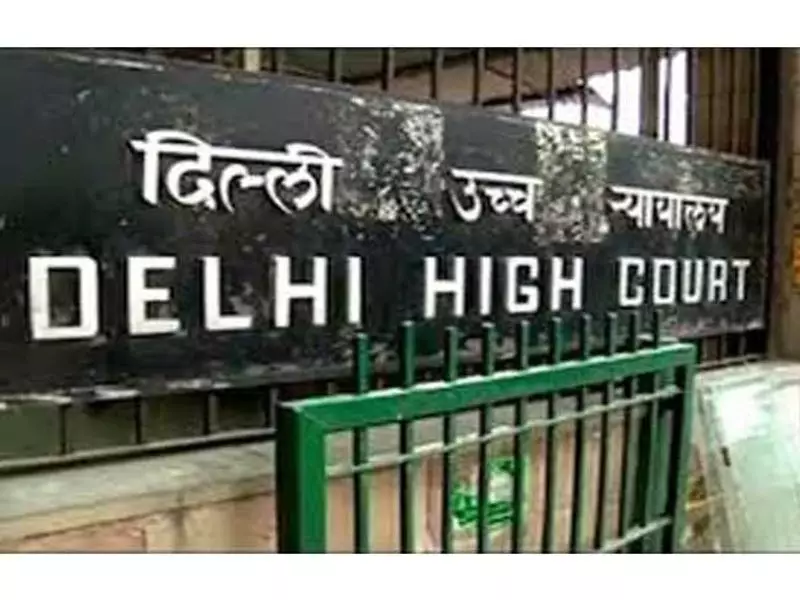
In an extraordinary display of judicial compassion, the Delhi High Court conducted a special sitting on Sunday to hear a convict's plea for attending his sister's last rites. The court granted temporary parole to a gang rape convict, prioritizing humanitarian considerations over legal procedures.
Special Sunday Hearing Breaks Convention
The Delhi High Court demonstrated remarkable flexibility by organizing a special sitting on March 24, 2024. Justice Amit Sharma presided over the hearing that took place at 4:15 PM, breaking from the conventional court schedule to address an urgent humanitarian request.
The convict, identified as Raju, had approached the court seeking temporary release to perform the final rites of his sister. Despite being convicted for a serious crime, the court recognized the emotional significance of family obligations and the importance of last rites in Indian culture.

Legal Proceedings and Conditions
During the special hearing, the court carefully considered the convict's plea while ensuring that legal protocols were maintained. The Additional Standing Counsel, Adeel Ahmed, represented the state during these proceedings, ensuring that all legal perspectives were adequately represented.
The court granted Raju parole for a specific period to enable him to participate in his sister's funeral ceremonies. However, strict conditions were imposed to ensure that the parole period doesn't compromise public safety or legal proceedings. The convict will be under supervision during his temporary release and must return to custody as specified by the court.
Balancing Justice and Compassion
This decision highlights the Indian judiciary's ability to balance strict legal enforcement with human compassion. While the convict remains accountable for his crimes, the court acknowledged the fundamental right to participate in family rituals, especially those as significant as last rites.
The special Sunday sitting itself marks a significant departure from normal court operations, demonstrating the judiciary's willingness to adapt to exceptional circumstances. This case sets a precedent for how courts can handle urgent humanitarian requests while maintaining the integrity of the justice system.
The decision reflects the evolving nature of judicial interpretation in India, where courts increasingly consider cultural and emotional factors alongside legal principles. This approach acknowledges that while punishment is necessary for crimes, basic human dignity and family obligations must also be respected within appropriate boundaries.