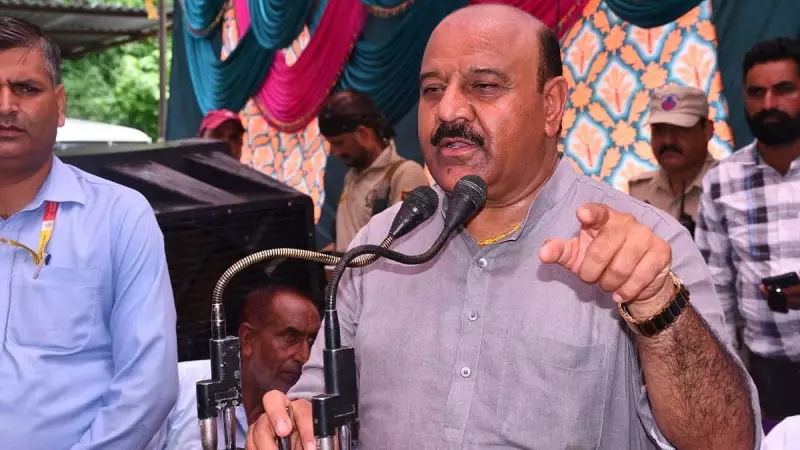
The Delhi High Court has issued a significant order directing the removal of objectionable and defamatory content circulating on various social media platforms against the Deputy Chief Minister of Jammu and Kashmir. The court's intervention came in response to a legal suit filed to protect the leader's reputation.
Court Recognizes Leader's Upright Career
In its proceedings, the Delhi High Court took note of the assertions made in the suit. It observed that the Deputy Chief Minister, Mr. Choudhary, has been recognized as an upright leader throughout his political career. The court further acknowledged that he attained his current position through dedicated effort and merit. This judicial observation formed a key part of the rationale behind the interim order for content takedown.
Legal Action Against Online Defamation
The order, dated 16 December 2025, mandates social media companies to expeditiously remove the identified posts and videos that were deemed harmful and defamatory. This move underscores the growing legal recourse available to public figures against unfounded online attacks. The court's directive aims to prevent the continued spread of content that could damage the dignity and public standing of the elected official.
Implications for Online Speech and Accountability
This ruling from the Delhi High Court highlights the ongoing tension between free expression and protection from character assassination on digital platforms. It sets a precedent for how Indian courts can intervene when online speech crosses into the realm of alleged defamation, especially concerning high-ranking public officials. The case emphasizes that while social media is a space for discourse, it is not immune to the laws governing reputation and dignity.
The swift legal action and the court's subsequent order demonstrate the increasing seriousness with which such matters are being treated within the Indian judicial system. The development is being closely watched by legal experts, policymakers, and digital rights activists alike.