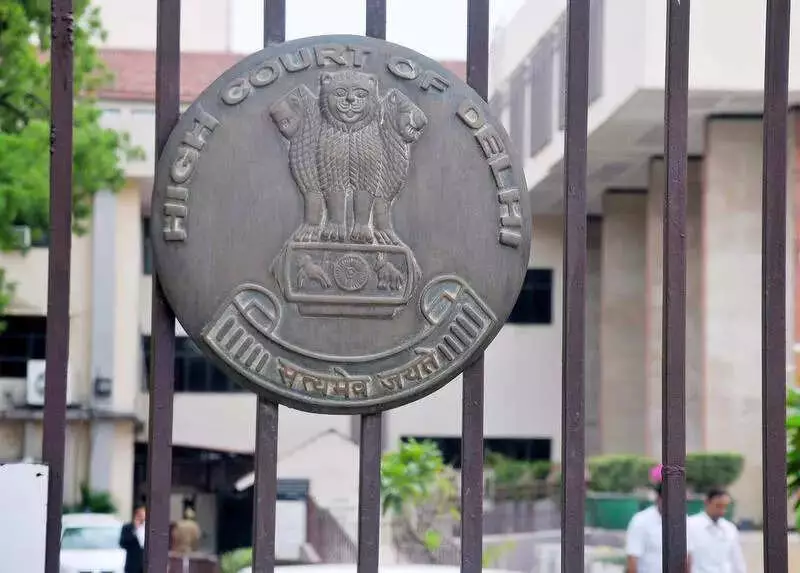
The Delhi High Court made a significant observation on Tuesday regarding the PM Cares Fund. The court indicated that this fund, despite being a government entity, is entitled to privacy protection under the Right to Information Act. This protection is similar to what third-party entities receive.
Court Questions Privacy Rights
A bench comprising Chief Justice DK Upadhyaya and Justice Tejas Karia heard a challenge to the denial of information about the fund under the RTI Act. During the hearing, the bench posed a critical question. They asked, "Even if it is state, merely because it is state, does it lose its right to privacy?"
The judges further elaborated. They questioned whether an entity discharging public functions, or one managed and controlled by the government, can be denied such privacy rights. This remark came while dealing with an appeal filed by an RTI applicant.

Background of the Case
The appeal was filed by Girish Mittal, an RTI applicant. It challenged a single judge's order from last year. That order had set aside a directive from the Central Information Commission.
The CIC had instructed income tax authorities to disclose information about the PM CARES Fund. However, the single judge ruled differently. The judge noted that the information was sought from the Central Public Information Officer, not directly from PM CARES.
Since the information related to a third party, the judge emphasized that the PM CARES Fund should have been heard in the matter. This point formed a key part of the recent High Court hearing.
Implications of the Hearing
The court's indication has broader implications. It suggests that government-linked entities might retain privacy protections under certain circumstances. This could affect how RTI applications are handled for similar funds or bodies in the future.
The hearing underscores the ongoing debate about transparency and privacy in public affairs. It highlights the delicate balance between the public's right to information and the privacy rights of entities, even those with government connections.
Observers are watching the case closely. The final decision could set a precedent for how the RTI Act applies to various government-managed entities across India.