

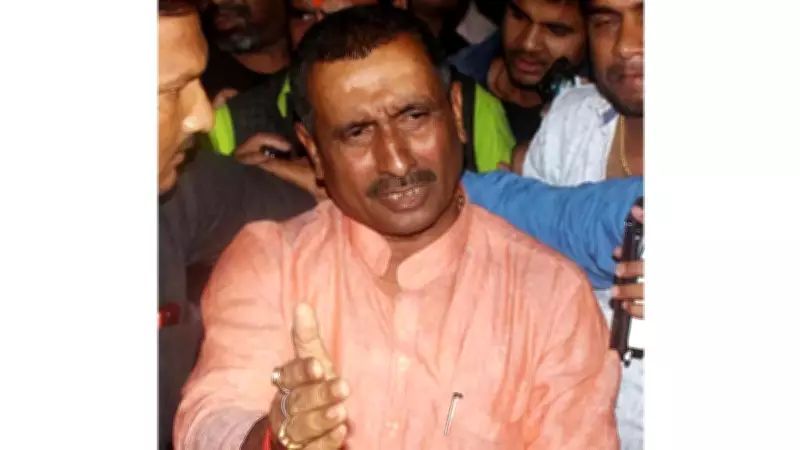
Delhi High Court Rejects Unnao Survivor's Plea for Death Penalty Against Kuldeep Sengar
In a significant legal development, the Delhi High Court has dismissed a plea by the Unnao rape survivor seeking the death penalty for former Bharatiya Janata Party (BJP) MLA Kuldeep Sengar in connection with her father's custodial death case. The court ruled that the survivor failed to demonstrate "sufficient cause" to justify a delay of 1,945 days—equivalent to over five years—in filing an appeal against the sentence previously awarded by a trial court.
Court Cites "Deliberate Inaction and Negligence" in Delay
A bench comprising Justices Navin Chawla and Ravinder Dudeja, in their ruling on Monday, characterized the prolonged and "unexplained" delay as a clear instance of "deliberate inaction and negligence." This observation played a pivotal role in the court's decision to dismiss the plea, emphasizing the importance of adhering to statutory timelines in legal proceedings.
Background of the Custodial Death Case
The case dates back to April 9, 2018, when the survivor's father died in police custody following his arrest under the Arms Act. It was alleged that his arrest was orchestrated at the behest of Kuldeep Sengar, who was later implicated in the broader Unnao rape scandal. The father's death was attributed to police brutality, sparking widespread outrage and calls for justice.

On March 13, 2020, a trial court found Sengar and his brother guilty in related matters, leading to their conviction. However, the survivor sought to escalate the punishment to the death penalty through a subsequent appeal, which has now been dismissed due to the substantial delay in filing.
Legal Implications and Public Reaction
This ruling underscores the critical nature of procedural adherence in the Indian judicial system, where delays can significantly impact the outcome of appeals. Legal experts note that while the survivor's quest for harsher punishment is understandable, the court's emphasis on timely legal action serves as a reminder of the procedural rigors involved.
The Unnao case has been a focal point in discussions about justice for victims of sexual violence and custodial abuse in India. The dismissal of this plea may reignite debates on the efficiency and accessibility of the legal process for survivors seeking redress.
As the legal proceedings continue, this decision marks a key moment in the ongoing saga, highlighting the complexities of balancing justice with procedural fairness in high-profile cases.






