

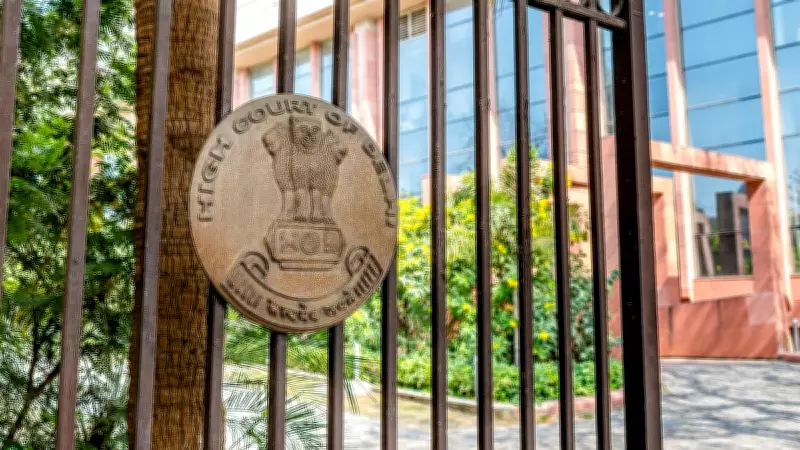
Delhi High Court Directs CBI to Respond in Rabri Devi Land-for-Jobs Case
The Delhi High Court has taken a significant step in the ongoing land-for-jobs case by seeking the Central Bureau of Investigation's (CBI) stance on a plea filed by former Bihar Chief Minister Rabri Devi. The court has specifically asked the CBI to provide its response regarding the supply of unrelied documents that were seized during the investigation but not included in the chargesheet.
Understanding Unrelied Documents in Legal Proceedings
In legal contexts, unrelied documents refer to materials that are collected by investigating agencies like the CBI during probes but are ultimately not relied upon when filing the chargesheet. These documents can include various types of evidence, such as:
- Seized papers or digital records
- Witness statements or affidavits
- Financial transactions or property details
Despite not being used to frame charges, these documents may still hold relevance for the defense or other legal purposes, leading to disputes over their disclosure and accessibility.

Background of the Land-for-Jobs Case
The land-for-jobs case centers on allegations that jobs in Indian Railways were exchanged for land parcels during Rabri Devi's tenure. The CBI has been investigating these claims, which involve high-profile political figures and have drawn significant public and media attention. The case highlights issues of corruption and governance in public sector appointments.
Rabri Devi's plea in the Delhi High Court focuses on the procedural aspect of accessing these unrelied documents. Her legal team argues that full transparency and access to all seized materials are essential for a fair trial, ensuring that the defense can adequately prepare and challenge the prosecution's case.
Legal Implications and Next Steps
The Delhi High Court's directive to the CBI underscores the importance of due process in criminal investigations. By seeking the agency's stand, the court is addressing key legal questions:
- Whether unrelied documents must be supplied to the accused
- The timeline and manner of such disclosures
- Potential impacts on the fairness of the trial proceedings
This development could set a precedent for similar cases involving high-stakes investigations and the rights of the accused. The CBI's response, expected in the coming weeks, will be crucial in shaping the court's final decision and the trajectory of the land-for-jobs case.
As the legal battle unfolds, stakeholders are closely watching for outcomes that may influence transparency standards in India's judicial system. The case continues to be a focal point in discussions about accountability and legal reforms in the country.






