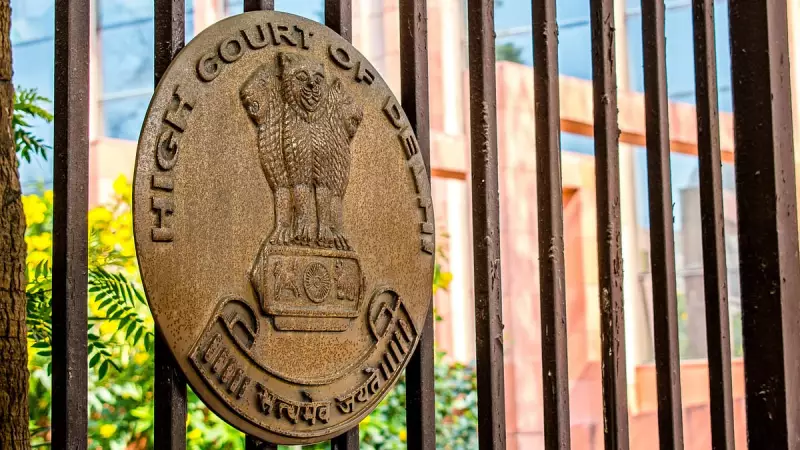
The Delhi High Court has directed authorities to examine a plea calling for a ban on an upcoming auto festival in the capital. This move comes amid rising concerns over the city's already severe air pollution crisis.
Petitioner Raises Alarm Over 'Burnout City' Event
The petitioner argued that the festival, dubbed 'Burnout City', will feature vehicles performing dangerous stunts. These activities typically involve excessive fuel consumption, which could significantly worsen Delhi's air quality.
Court's Directive to Authorities
The High Court has now asked relevant authorities to review the petition carefully. They must consider the potential environmental impact before allowing the event to proceed.

Background of Delhi's Pollution Woes
Delhi consistently ranks among the world's most polluted cities. Winter months often bring hazardous smog levels, prompting authorities to implement various pollution control measures.
Environmental activists have long warned against activities that increase vehicular emissions. They argue that such events contradict efforts to improve air quality in the National Capital Region.
What the Petition Says
The plea specifically highlights how 'stunt' driving at auto festivals requires vehicles to burn fuel at high rates. This process releases additional pollutants into Delhi's already burdened atmosphere.
The petitioner emphasized that allowing such an event would undermine ongoing pollution control initiatives. They called for immediate intervention to prevent further deterioration of air quality.
Authorities' Next Steps
Government bodies must now submit their responses to the High Court. Their assessment will determine whether the auto festival can be held as planned or requires cancellation or modification.
This case highlights the growing tension between entertainment events and environmental protection in urban India. Many citizens support stricter regulations on activities contributing to pollution.
The Delhi High Court's intervention reflects judicial concern over public health impacts. The court's final decision could set important precedents for balancing cultural events with environmental safeguards.