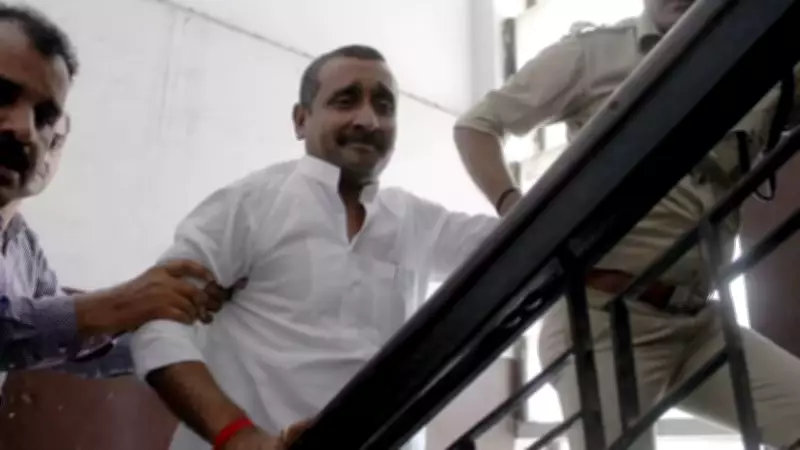
Delhi High Court Seeks Response from Kuldeep Sengar on Death Sentence Enhancement Plea
The Delhi High Court on Thursday took a significant step in the high-profile Unnao rape case by directing former Uttar Pradesh MLA Kuldeep Sengar and other convicts to present their stand on a crucial plea. The plea, filed by the Unnao rape survivor, seeks to enhance their current 10-year prison term to the death sentence in connection with the custodial death of her father.
Court Proceedings and Legal Arguments
The bench formally issued notices to Sengar and the other individuals convicted in this matter, responding to the survivor's application. A central point of contention in this legal battle is the substantial delay of over 1,940 days in filing the appeal against the trial court's 2020 order on conviction and sentencing. The survivor's legal team has requested that this delay be condoned to allow the appeal to proceed.
However, the High Court made a critical observation during the proceedings, emphasizing that the maintainability of the appeal must be determined first before any substantive decisions can be made regarding sentence enhancement. This procedural consideration adds a layer of complexity to the case as it moves forward through the judicial system.
Background of the Case and Previous Convictions
Kuldeep Sengar's legal troubles stem from his conviction on December 20, 2019, when he was found guilty of kidnapping and raping the survivor in 2017, at a time when she was still a minor. The court sentenced him to imprisonment for the remainder of his natural life for these heinous crimes, marking a significant verdict in India's fight against sexual violence and abuse of power.
The case took an even more tragic turn with the death of the survivor's father, who was arrested under the Arms Act allegedly at the behest of the accused. His custody ended fatally on April 9, 2018, due to what investigations revealed as police brutality. This incident highlighted severe lapses in custodial safety and accountability within law enforcement agencies.
Trial Court's Sentencing Rationale
In the subsequent legal proceedings concerning the father's death, the trial court concluded that there was no intention to kill, leading to a conviction for culpable homicide not amounting to murder. Based on this finding, the court imposed the maximum sentence permissible for this offense: a 10-year prison term. The survivor's current plea challenges this sentencing, arguing for the death penalty instead, citing the gravity of the circumstances and the impact on the victim's family.
The Delhi High Court's decision to seek responses from the convicts sets the stage for further legal deliberations, potentially influencing future jurisprudence on custodial deaths and sentencing in cases involving powerful individuals. The outcome of this appeal could have far-reaching implications for justice and accountability in similar high-stakes legal battles across the country.