

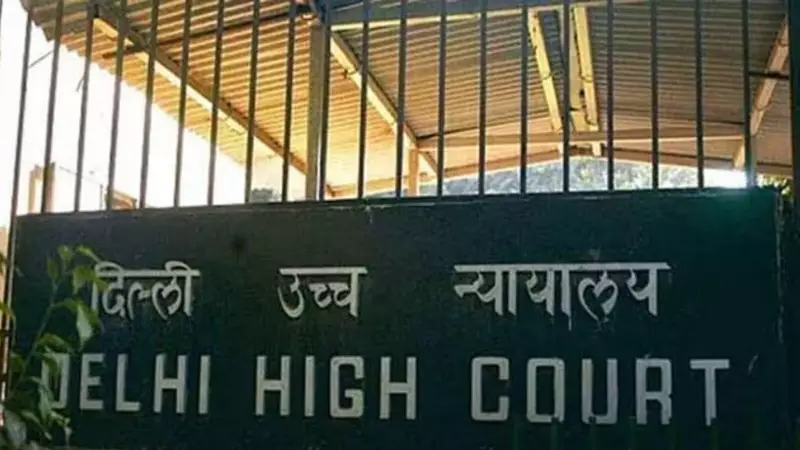
The Delhi High Court has delivered a significant judgment emphasizing the importance of educational rights. Justice Jasmeet Singh made a clear observation while handling a case involving a medical student. The student faced admission cancellation due to allegations linked to NEET-UG 2024 irregularities.
Court's Strong Stance on Educational Rights
Justice Singh stated that pursuing higher or professional education represents a valuable right. Although not explicitly listed as a fundamental right in the Constitution, this right should not face easy restrictions. The state carries an affirmative obligation to protect and ensure this right for all citizens.
Student's Admission Restored After Investigation
The court examined the case of a petitioner who secured medical college admission through merit-based participation in an open entrance exam. The Central Bureau of Investigation (CBI) clarified that this student was not an accused party in their NEET-UG 2024 probe. Instead, the agency identified the petitioner as a witness in the criminal case regarding alleged irregularities.

Justice Singh noted that the CBI's investigation into question paper leakage allegations had identified 22 candidates for various malpractices. However, the petitioner's name did not appear in the chargesheet as an accused person. This distinction proved crucial to the court's decision.
Protection Against Unjustifiable Grounds
The judgment highlighted that admission cancellations require valid, genuine, and compelling reasons. In this instance, the court found no prima facie evidence of malpractice by the student. The cancellation had disrupted the petitioner's academic progress on what the court described as "totally unjustifiable grounds."
Justice Singh emphasized that the "valuable right" earned through clearing the NEET-UG entrance exam deserved protection. The court issued specific orders in its January 7 judgment to rectify the situation.
Court's Directives and Implications
The Delhi High Court allowed the petition completely. It issued a mandamus directing the respondent authorities to permit the petitioner to continue MBBS classes according to the standard curriculum. This decision reinforces legal protections for students facing admission challenges.
The judgment establishes important precedents regarding educational rights in India. It clarifies that while admission cancellations remain possible for proper reasons, they cannot occur without substantial justification. The court's ruling stresses the state's responsibility to safeguard students' academic journeys against arbitrary interruptions.






