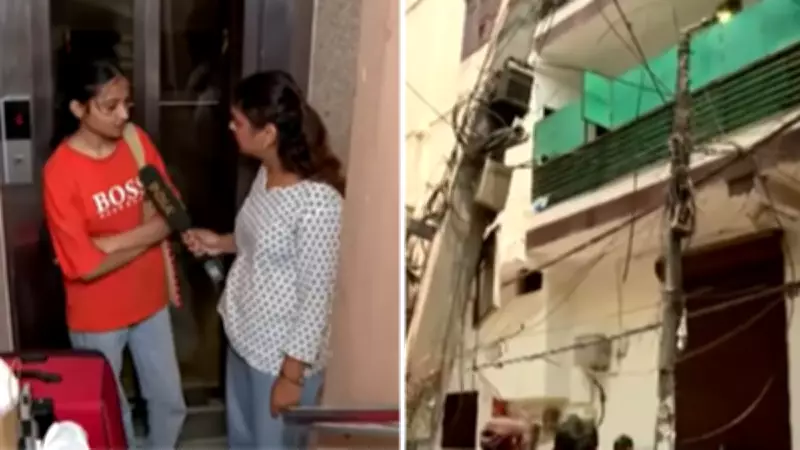
In the wake of a tragic building collapse in Malviya Nagar that claimed several lives, Delhi authorities have initiated a sweeping safety crackdown, leading to the overnight eviction of hundreds of PG (paying guest) students from buildings deemed unsafe. The incident, which occurred on June 2, 2026, has sent shockwaves through the student community, many of whom were left scrambling to find alternative accommodation with little notice.
Overnight Evictions Leave Students Stranded
Students residing in several PG accommodations in the Malviya Nagar area reported being asked to vacate their rooms late at night, with some given just a few hours to pack their belongings. “We just moved in a month ago and now we have to leave in the middle of the night,” said a distressed student from the University of Delhi. The evictions were carried out after municipal teams conducted rapid inspections and declared several buildings unsafe for habitation, citing structural violations, lack of fire safety measures, and overcrowding.
Authorities Justify Crackdown
Speaking to the press, a senior official from the South Delhi Municipal Corporation stated, “The collapse was a wake-up call. We are identifying all high-risk buildings and ensuring no one lives in them until they are structurally certified. Safety is non-negotiable.” The official added that over 200 buildings in Malviya Nagar alone have been flagged for inspection, and eviction notices have been served to owners of properties found to be in violation of building codes.

However, the sudden nature of the evictions has drawn criticism from student groups and local activists. They argue that while safety is paramount, the authorities should have provided alternative arrangements or at least a reasonable timeline. “This is inhumane. These students have exams and jobs. They are being treated like criminals,” said a spokesperson for the Delhi Student Union.
Background of the Collapse
The tragic incident that triggered this crackdown occurred when a four-story building in Malviya Nagar collapsed without warning, trapping dozens of residents. Rescue operations lasted over 24 hours, and the death toll rose to 12, with 25 others injured. Preliminary investigations indicated that the building had been illegally extended and lacked proper foundations. The owner has been arrested, and charges of culpable homicide have been filed.
Impact on Students and Landlords
For many students, the eviction has disrupted their academic schedules. “I have my final exams next week. I don’t know where I will stay or how I will focus on my studies,” lamented a student from Jawaharlal Nehru University. Meanwhile, landlords are also facing the heat, with many claiming they were not given enough time to rectify structural issues. The municipality has warned that buildings failing to comply with safety norms within a month will be sealed.
In response to the crisis, the Delhi government has announced the creation of temporary shelters in nearby community halls and schools. Additionally, a helpline has been set up for affected students to report grievances and seek assistance. The government has also promised to expedite the verification of safe PG accommodations and publish a list of approved buildings.
Long-Term Measures and Recommendations
Experts have called for a comprehensive review of the PG housing market, which operates largely in an unregulated grey area. Recommendations include mandatory registration of all PG accommodations, regular structural audits, and strict enforcement of occupancy limits. The Delhi Urban Development Minister has indicated that a new policy for student housing is in the works, which will include provisions for affordable and safe hostels near educational institutions.
As the city grapples with the aftermath of the collapse, the eviction of students serves as a stark reminder of the precarious living conditions many face. While the crackdown is a necessary step toward preventing future tragedies, the manner in which it has been executed has left many questioning the balance between safety and compassion.