

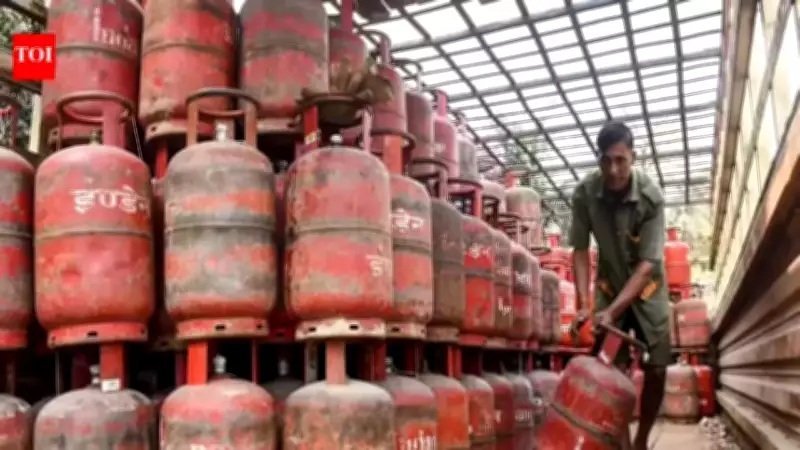
Delhi Police Intensifies Vigilance at Gas Agencies Amid LPG Supply Crisis
Senior officials from the Delhi Police have issued directives to officers across the city to compile comprehensive lists of all gas agencies within their jurisdictions. This move is part of a strategic effort to deploy police personnel and maintain strict law and order as the capital grapples with ongoing disruptions in LPG supply. The initiative, announced on Thursday, is designed to ensure the smooth distribution of cooking gas cylinders and actively prevent incidents of black marketing that have emerged due to the shortage.
Visible Police Presence to Deter Illegal Activities
According to a senior police officer, Station House Officers (SHOs) have been specifically instructed to establish a visible police presence around gas agencies. "The SHOs will deploy police personnel along with PCR vans and motorcycle patrol riders near gas agencies to maintain law and order and ensure that the distribution process remains smooth," the officer stated, as reported by news agency PTI. The primary objective is to deter hoarding or the illegal sale of LPG cylinders at inflated prices, which has become a growing concern among residents.
The sole motive is to maintain law and order and avoid any kind of black marketing. We want to ensure that people receive LPG cylinders through the proper distribution system, the officer emphasized. Beat staff and motorcycle patrol units will conduct regular monitoring of gas agencies and their surrounding areas to enforce these measures effectively.

Targeting Illegal Refilling and Safety Risks
In addition to deployment, police are actively compiling a list of shopkeepers allegedly involved in refilling small LPG cylinders at excessively high prices. "Such shopkeepers will be identified, and strict action will be taken against them. No one will be permitted to engage in gas black marketing," another officer asserted. The crackdown also addresses significant safety hazards associated with illegal refilling practices.
Filling cylinders illegally can pose a risk of fire incidents and blasts. Apart from being illegal, it can also endanger lives and property, he added. To enhance surveillance, police teams, including plain-clothes personnel, have been instructed to remain vigilant and gather intelligence on such illicit activities. "Motorcycle riders and plain-clothes police personnel will keep checking their areas and contact local sources to find out if anyone is involved in illegal refilling or black marketing of LPG," the officer explained.
Impact on Households and Businesses in Delhi
The police directives come at a critical time when irregular LPG supplies are severely affecting both households and businesses across Delhi. Industry representatives report that restaurants and cafes, which heavily rely on LPG, are struggling to cope with the disruption. Manpreet Singh, Honorary Treasurer of the National Restaurant Association of India (NRAI), highlighted the challenges: "Many establishments in Delhi are not receiving regular LPG supplies. Some of them are shifting to alternatives like piped natural gas and induction cooking to keep their kitchens running."
Several eateries have reportedly exhausted their fuel reserves, forcing them to limit menus or adopt alternative cooking methods. Industry experts warn that prolonged disruption could escalate operational costs, potentially impacting staff wages in smaller establishments. This shortage is occurring against the backdrop of the widening conflict in West Asia, with the government prioritizing domestic natural gas allocation for LPG production, compressed natural gas (CNG), and piped cooking gas, while limiting supplies to other industries under a revised allocation policy.
Public Struggles and Continued Monitoring
Police have committed to ongoing monitoring of the situation to prevent illegal sales. Meanwhile, protests and roadblocks were reported in Noida, with police managing traffic to maintain order. Visuals from Delhi's Vikas Nagar depicted a young boy carrying an empty LPG cylinder on his back while searching for a refill, underscoring the personal hardships faced by residents.

"I have been searching for a shop since morning. The cylinder at home ran out of gas yesterday evening. Shopkeepers are selling it for Rs 3,000 to Rs 4,500. Earlier, we used to get it for Rs 1,000 to Rs 1,100," he said, adding that residents in his area are struggling as most shops have run out of cylinders. This anecdote highlights the urgent need for effective measures to address the supply crisis and protect consumers from exploitation.





