Delhi Riots: Six Years Later, Justice Remains Elusive with Minimal Convictions
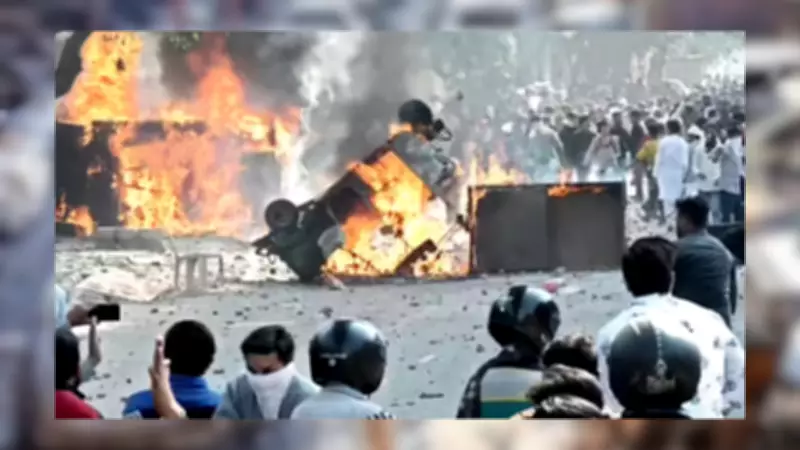
Six years have passed since violent riots erupted in northeast Delhi over the controversial Citizenship Amendment Act, leaving 53 people dead and communities deeply scarred. In a stark revelation, only one individual has been found guilty of murder across the 53 criminal cases specifically filed in connection with the riots.
Conviction Rates Remain Alarmingly Low
As of 2025, convictions have been secured in merely 11 out of the 53 registered criminal cases. These cases encompass a range of charges, including unlawful assembly, rioting while armed with weapons, mischief involving explosive substances, theft, and statements that incited public mischief.
A detailed analysis of these 53 cases shows that over 40 persons have been convicted to date. However, this number is overshadowed by more than 100 acquittals and 75 individuals discharged due to insufficient evidence. In total, 758 cases have been filed in relation to the riots, with the 53 criminal cases forming a critical subset.

Judicial Challenges and Transfers Impact Trials
The prolonged trials have faced significant hurdles, including a high volume of witnesses and extensive evidence. Compounding these challenges, judges have been transferred as part of routine administrative reshuffles within the district judiciary, disrupting continuity.
At the North East District court in the Karkardooma complex, which handles the main riot-related trials, several judges have presided over the matters. These include Vinod Yadav, Virender Bhatt, Pulastya Pramachala, and the current judge, Parveen Singh. Each transition has left behind a legacy of statistical records and strong observations regarding the handling of investigations and evidence.
High-Profile Conspiracy Case Under Separate Scrutiny
In the same court complex, a special court is overseeing the high-profile "larger conspiracy case." This case involves notable accused individuals such as student activists Umar Khalid and Sharjeel Imam, along with former Aam Aadmi Party councilor Tahir Hussain. This separate proceeding highlights the complexity and breadth of legal actions stemming from the riots.
The slow pace of justice and low conviction rates raise serious questions about the efficacy of the judicial process in addressing such large-scale communal violence. As the legal battles continue, the victims and affected neighborhoods await closure, with many still grappling with the aftermath of the 2020 riots.