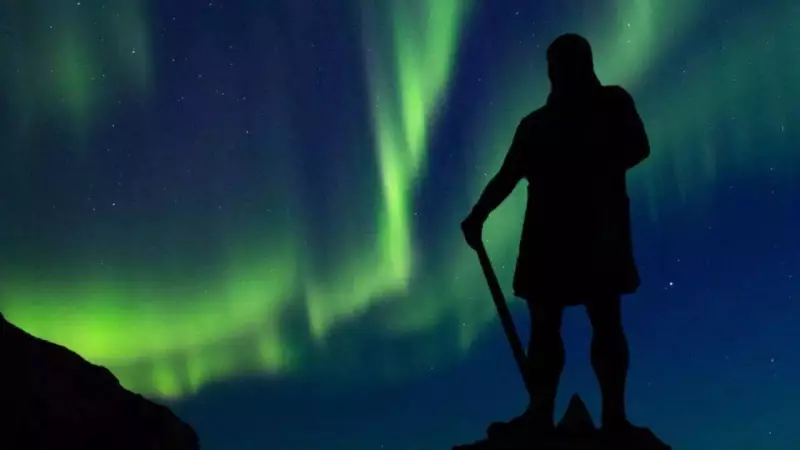
Erik the Red: The Viking Pioneer Who Shaped Greenland's Destiny
Erik the Red, originally named Erik Thorvaldsson, stands as one of the most formidable Viking explorers in history. Born in Norway around 950 AD, he earned his famous nickname due to his striking red hair and beard, coupled with a fiery and aggressive temperament. His early life was marked by violent conflicts, which ultimately led to his expulsion from Norway and later from Iceland, setting the stage for his legendary voyages.
The Exile That Led to Discovery
In 982 AD, after being exiled for murder, Erik sailed westward from Iceland in search of a new homeland. He discovered a vast, uninhabited land characterized by dramatic fjords, rugged rocky coastlines, and surprisingly fertile valleys. This territory, which he would later name Greenland, offered promising opportunities for settlement. Erik spent several years meticulously exploring the region, identifying the most suitable locations for habitation and survival.
The Strategic Naming of Greenland
One of Erik the Red's most enduring contributions was the name he bestowed upon the land. He deliberately chose "Greenland" to portray it as a welcoming and fertile destination, aiming to attract settlers from Iceland. This clever marketing tactic proved highly effective, as the name suggested a more hospitable environment than the harsh, remote Arctic reality. The southern coastal areas, where Erik eventually settled, did possess relatively fertile soils, especially during the summer months, lending some credibility to the name.
Establishing the Norse Settlements
In 985 AD, Erik returned to Iceland with compelling tales of the new land, successfully persuading a group of families to join him. A fleet of 25 ships set sail, though only 14 survived the treacherous journey to Greenland. Upon arrival, Erik founded two major settlements in the south: the Eastern Settlement, near present-day Qaqortoq, and the Western Settlement, near modern Nuuk. He established Brattahlid (now Qassiarsuk) as his chieftain's seat, which became the political and social hub of Norse Greenland.
Life and Survival in Norse Greenland
The Norse settlers developed a resilient society based on farming, hunting, and trade. They raised livestock such as cows, sheep, and goats along the southern coast, hunted local wildlife, and engaged in trade with Europe, exporting valuable items like walrus ivory and furs. Despite Greenland's isolation, the settlements maintained connections with Iceland and Norway. At its peak, the community numbered a few thousand people, dispersed across coastal farms. Their adaptability and resourcefulness allowed them to thrive for centuries in a challenging environment.
Legacy and Decline
Erik the Red's settlements became crucial hubs in the North Atlantic, facilitating trade, exploration, and colonization. His son, Leif Eriksson, famously sailed to North America around 1000 AD, predating other European explorers. However, Norse Greenlandic society eventually declined, likely due to a combination of climate change, economic difficulties, and increased isolation. Erik's legacy endures as the founder of the first permanent European settlements in Greenland. His strategic naming and leadership not only attracted settlers but also forged a new Norse identity in the Arctic, leaving an indelible mark on history.