Former Chief Justice Warns Against Using National Security to Deny Bail
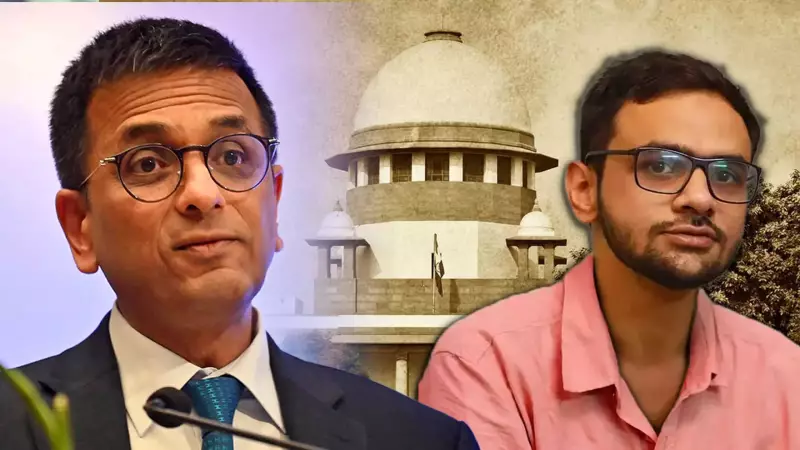
Former Chief Justice of India DY Chandrachud has made strong remarks about bail practices in the country's criminal justice system. His comments came during discussions about Umar Khalid's extended time in jail without conviction.
Constitutional Rights Must Come First
Chandrachud emphasized that the Constitution clearly requires granting bail before conviction. This rule applies unless specific, proven risks exist in individual cases. He stated that courts must carefully examine whether detention is truly necessary and proportionate.
"National security cannot become a blanket justification to deny liberty," Chandrachud declared. He warned against using broad security concerns to keep people imprisoned without trial.

Long Delays Violate Fundamental Rights
The former Chief Justice pointed to prolonged incarceration as a serious problem. He called extended delays a direct violation of Article 21 of the Constitution, which guarantees protection of life and personal liberty.
Chandrachud explained the human cost of this practice. Undertrials who spend years in jail and later walk free suffer irreversible loss, he noted. Even if eventually found innocent, they lose precious years they can never recover.
Culture of Fear Among Trial Judges
Chandrachud highlighted another troubling aspect of the system. He described a culture of fear among trial court judges. Many judges hesitate to grant bail because they worry about career consequences.
Granting bail risks career damage for these judges, he observed. This fear creates a system where judges often choose the safer option of denying bail, even when circumstances might justify release.
Consequences for the Justice System
The former Chief Justice outlined several negative outcomes from these practices:
- Overcrowded prisons filled with people awaiting trial
- Mounting pressure on higher courts to handle bail appeals
- Erosion of liberty in the name of caution
- Undermining of constitutional protections
Chandrachud's comments underline what he sees as a deeper crisis in India's criminal justice system. He warned that liberty is being quietly eroded through excessive caution and broad security justifications.
The remarks place renewed attention on bail practices and pretrial detention in India. They come at a time when several high-profile cases have involved extended incarceration without conviction.
Legal experts note that Chandrachud's perspective carries significant weight given his former position. His comments may influence ongoing debates about criminal justice reform and protection of individual rights.