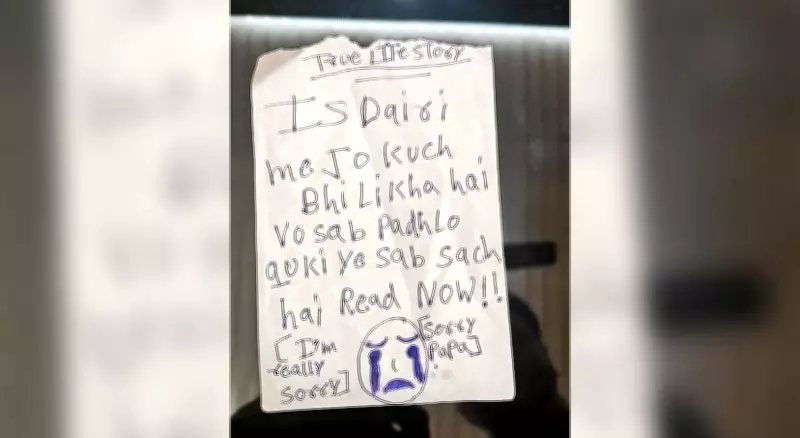
Ghaziabad Sisters' Suicide Pact Linked to Online Korean 'Lover Game' with Chilling 'Final Task'
In a tragic incident that has sent shockwaves through the community, two sisters from Ghaziabad, Uttar Pradesh, allegedly died by suicide after becoming involved in an online Korean 'lover game'. The game, which police are investigating as a potential catalyst, reportedly assigned participants a series of tasks culminating in a chilling 'final task' that may have led to the devastating outcome. This case highlights the growing concerns over dangerous digital trends and their impact on vulnerable individuals, particularly in urban areas like Ghaziabad.
Details of the Ghaziabad Incident and Police Investigation
The sisters, whose identities have been withheld due to the sensitive nature of the case, were found deceased in their home in Ghaziabad. Preliminary investigations by local authorities suggest that they had been participating in an online game originating from Korea, often referred to as a 'lover game' or similar terminology in media reports. According to police sources, this game operates by engaging users through a sequence of assignments or challenges, which progressively escalate in nature.
The most alarming aspect is the so-called 'final task', which is believed to have directly or indirectly encouraged self-harm or suicide. While specific details of this task remain under wraps as part of the ongoing investigation, it is described as a culminating activity that participants must complete, potentially under psychological pressure or manipulation. The Ghaziabad police have seized electronic devices from the sisters' residence to analyze their online activities and trace any communication related to the game. They are also exploring whether the sisters were coerced or influenced by other players or administrators of the game.
Understanding the Online Korean 'Lover Game' Phenomenon
Online games, particularly those with interactive and role-playing elements, have become increasingly popular worldwide, but some pose significant risks. The 'lover game' in question appears to be part of a broader category of digital experiences that simulate relationships or adventures, often with dark or manipulative undertones. These games may lure participants with promises of romance, excitement, or social connection, only to introduce harmful elements as the narrative progresses.
Key characteristics of such games include:
- Progressive Tasks: Players are given a series of assignments that start innocuously but gradually become more intense or disturbing.
- Psychological Manipulation: The games may use tactics like peer pressure, rewards, or threats to keep participants engaged, even when tasks become dangerous.
- Global Reach: Originating from countries like Korea, these games can spread rapidly online, affecting users in India and beyond, often through social media or gaming platforms.
In the context of the Ghaziabad case, the 'final task' is suspected to have been a direct trigger for the suicide pact. This underscores the urgent need for awareness about the potential dangers of such online activities, especially among young people who may be more susceptible to digital influences.
Broader Implications and Calls for Action
The tragic deaths of the Ghaziabad sisters have sparked a wider conversation about online safety and the regulation of digital content in India. Authorities are urging parents and guardians to monitor their children's online behavior closely and to educate them about the risks associated with unknown games or apps. Cybersecurity experts emphasize that games with anonymous or unverified sources can be particularly hazardous, as they may operate outside legal frameworks and ethical guidelines.
From a policy perspective, this incident may prompt calls for stricter oversight of online gaming platforms and better enforcement of laws against content that promotes self-harm. In Uttar Pradesh and other states, police departments are likely to enhance their cybercrime units to tackle such emerging threats more effectively. The Ghaziabad police, in particular, are working to determine if there are other victims or similar cases linked to this 'lover game', and they are collaborating with national agencies to trace its origins and shut it down if possible.
As the investigation continues, the community in Ghaziabad mourns the loss of the two sisters, while hoping that their story will serve as a cautionary tale. It is a stark reminder of the dark side of the digital age, where virtual interactions can have real-world, life-altering consequences. Increased vigilance, combined with robust digital literacy initiatives, is essential to prevent such tragedies in the future.