A magisterial inquiry has laid bare a series of catastrophic failures that led to a devastating fire at a popular nightclub in Goa, claiming lives and raising serious questions about enforcement and accountability. The report, submitted to the state government, points to glaring violations and systemic lapses that turned the entertainment venue into a death trap.
Chronology of a Tragedy: The Night of the Fire
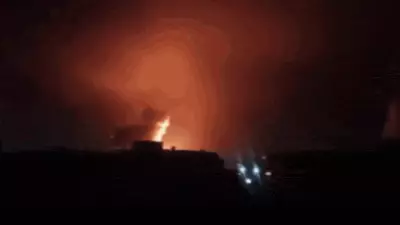
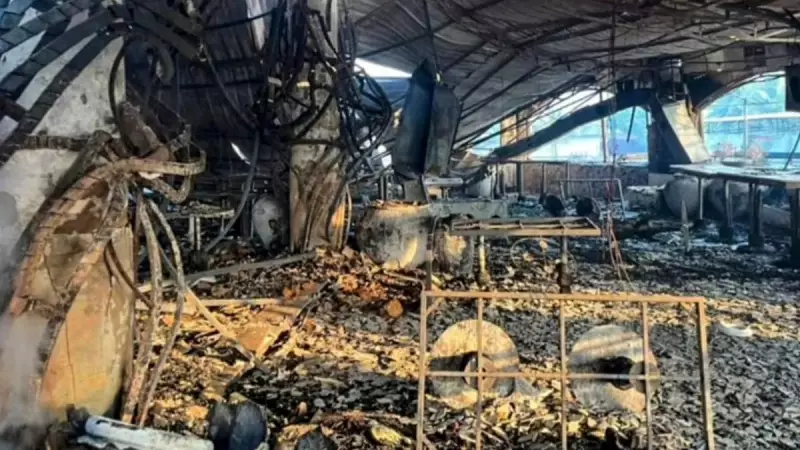
The fire broke out on the night of December 27, 2024, at the well-known Curlies nightclub located in the coastal village of Anjuna. The establishment, a favorite among tourists and locals alike, was reportedly packed at the time. The blaze originated in the kitchen area and, fueled by flammable materials and inadequate containment, spread rapidly through the structure.
Panic ensued as patrons tried to escape. The tragedy resulted in multiple fatalities and left several others with severe injuries. The incident sent shockwaves through the state, renowned for its vibrant nightlife and tourism, immediately prompting calls for a thorough investigation.

Probe Findings: A Catalogue of Failures
The magisterial probe, led by North Goa District Magistrate, was tasked with uncovering the root causes. Its findings are damning, highlighting a multi-layered breakdown of safety protocols.
The report identifies the primary cause of the fire as a gas leak from a cylinder in the kitchen, which ignited. However, it emphasizes that this initial incident escalated into a major disaster due to a host of pre-existing violations.
The inquiry found that the nightclub was operating with blatant disregard for basic fire safety norms. Critical lapses included:
- Blocked and inaccessible emergency exits, preventing safe evacuation.
- An absence of functional firefighting equipment like extinguishers and alarms.
- The use of highly flammable interior materials that accelerated the fire's spread.
- Alleged overcrowding beyond the permitted capacity of the venue.
Furthermore, the probe scrutinized the role of regulatory bodies. It questions whether the establishment had obtained the necessary No Objection Certificate (NOC) from the fire department and if periodic inspections were conducted. The report suggests a failure of enforcement mechanisms that allowed such a vulnerable operation to continue.
Aftermath and Calls for Action
The submission of the magisterial report has intensified pressure on the state administration. There are growing demands for accountability against the nightclub owners for criminal negligence and against officials responsible for oversight.
In the wake of the fire, the Goa government had ordered a safety audit of all similar establishments across the state. This tragedy has sparked a broader debate on the urgent need to overhaul fire safety regulations for commercial venues, especially in tourism-centric areas where nightlife is a major attraction.
The families of the victims await justice, hoping the probe's findings will lead to concrete legal action and systemic reforms to prevent such a horrifying incident from ever recurring in Goa or elsewhere.