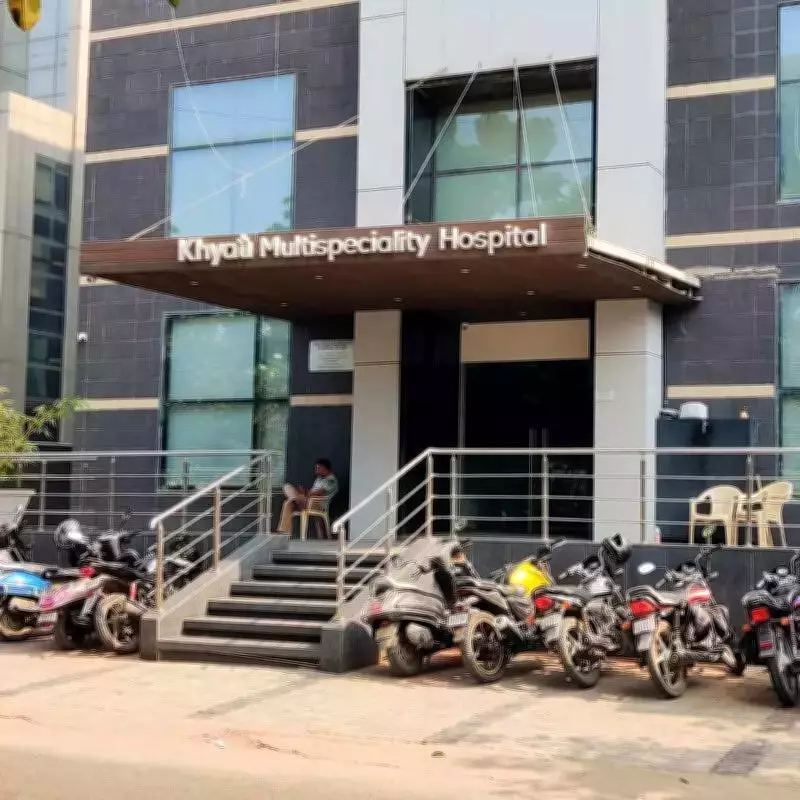
Gujarat High Court Mandates Fresh Consideration of Discharge Pleas in Khyati Hospital PM-JAY Case
In a significant ruling that underscores the balance between procedural timelines and substantive justice, the Gujarat High Court has ordered the trial court to conduct a fresh hearing on discharge applications filed by the accused in the Khyati Hospital PM-JAY case. The decision came after the trial court had previously rejected these pleas due to their filing beyond the stipulated 60-day period following the submission of chargesheets.
Court Emphasizes Fairness Over Technical Rigidity
Justice P M Raval, presiding over the case, delivered a judgment that highlights the core principles of criminal jurisprudence. "Criminal jurisprudence must reconcile expeditious trial with fairness. A rigid and technical approach in the present facts would defeat substantial justice," Justice Raval stated. This observation forms the cornerstone of the court's directive, which aims to ensure that justice is not hindered by procedural technicalities.
Background of the Case and Accused's Appeal
The accused individuals, including hospital director Kartik Patel, non-executive directors Rajshree Kothari and Sanjay Patolia, and CEO Rahul Jain, had approached the Gujarat High Court after the trial court rejected their discharge applications and refused to condone the delay in filing. The accused argued that the delay was due to the subsequent supply of certain documents by the prosecution, which impeded their ability to file the applications within the 60-day timeframe.
The High Court found merit in this explanation, noting that "the learned sessions judge erred in refusing to condone the delay and in entering into the merits at the stage of condonation." This acknowledgment by the court underscores the importance of considering contextual factors in legal proceedings.
Key Directives from the High Court
The Gujarat High Court issued specific instructions to the trial court to ensure a fair and thorough review process:
- The trial court must decide the discharge applications afresh on their merits.
- All documents that the prosecution intends to rely upon must be duly furnished to the accused.
- Both sides must be afforded a full opportunity for hearing.
Furthermore, the High Court clarified a critical legal point: "An accused may prefer an application for discharge within the 60-day period ordinarily, but, beyond 60 days, does not extinguish his right to seek discharge where delay is satisfactorily explained." This ruling reinforces the principle that procedural deadlines should not override the right to a fair trial.
Implications for Legal Proceedings
The judgment also addressed the issue of document supply in committal proceedings. The High Court stated that the subsequent provision of additional documents to the accused does not invalidate the committal proceedings. However, it emphasized that "fairness requires that discharge applications be considered only after complete supply of materials relied upon by the prosecution." This ensures that the accused have access to all necessary information to mount an effective defense.
This ruling is expected to have broader implications for similar cases, promoting a more balanced approach where procedural timelines are weighed against the fundamental requirements of justice and fairness in the Indian legal system.