Haryana's Director General of Police (DGP), O P Singh, has laid out a compelling vision for the future of policing in the state, calling for a fundamental shift towards greater transparency, fairness, and public engagement. In a detailed reflection, Singh addresses the profound challenges facing the force, particularly in the wake of a tragic incident that shook its foundations.
A Tenure Begun in Shadow of Tragedy
O P Singh assumed the role of Haryana's police chief in mid-October 2025, stepping into an environment heavy with public cynicism and uneven morale within the ranks. The situation was severely tested by the devastating suicide of a serving Inspector General, an event accompanied by serious allegations of caste-based discrimination. Singh describes this not just as a personal loss but as a deep institutional wound that demanded a moral and systemic response.
He asserts that leadership is proven when institutions face intense moral scrutiny. For him, the allegations struck at the core principle of a uniformed service, where respect must derive from duty and performance, not social identity. A mere procedural response—promising inquiries and reviews—was insufficient. The moment required a clear reaffirmation of the values policing must uphold in a constitutional democracy.

The Pillars of a New Policing Ethos
DGP Singh's strategy rests on a simple belief: in a democracy, police authority cannot survive on fear or distance alone; it must be earned through public trust. This trust, he argues, is built on three pillars: visibility in action, honesty of intent, and clarity in communication.
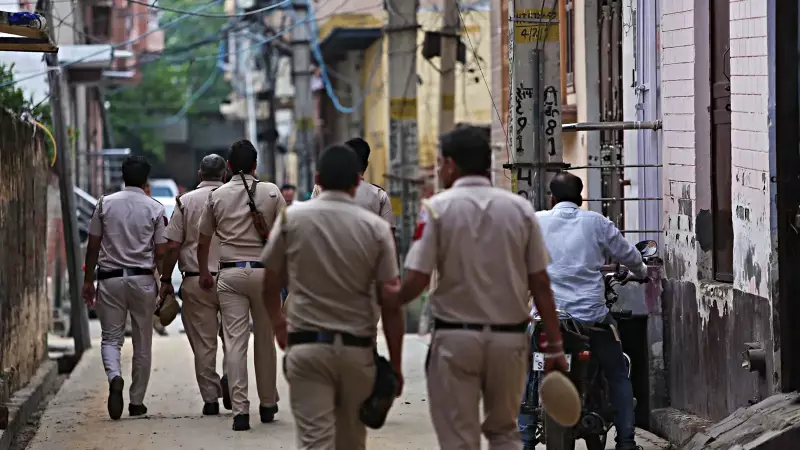
Operationally, the force launched decisive actions like Operation Trackdown and Hotspot Domination against criminal networks involving habitual offenders, illegal arms, narcotics chains, and interstate gangs. These were not for show but to signal the state's active presence. Simultaneously, efforts were made to explain police actions to citizens, easing mistrust through openness.
Internal Reforms and the Imperative of Fairness
Crucially, Singh emphasizes that reform must begin within. He acknowledges the police as a hierarchical organization but states it cannot afford to be a closed one. Every allegation of discrimination, proven or not, must be met with seriousness and empathy. As DGP, he sees his duty as ensuring every officer feels protected by rules, heard by leadership, and judged solely by their performance, regardless of background.
He recognizes the unique challenges in Haryana, a state surrounding the national capital with complex crime patterns like cyber fraud and organized extortion. While technology aids policing, Singh cautions it is not a cure-all. Ultimately, trust flows from human behavior—how officers conduct themselves, how decisions are made, and how mistakes are acknowledged.
The Road Ahead: A Necessary Path
Singh is conscious that structural change takes time, extending far beyond a few months. The real work involves embedding transparency in processes, ensuring consistency in postings and fairness in evaluations, and enforcing accountability at all levels. It also means engaging constructively with informed criticism.
He concludes that policing today stands at a crossroads. One path leads to clinging to traditional distance and watching trust erode further. The other, which he has chosen, demands visibility, explanation, and fairness, especially when it is uncomfortable. This path is chosen not for ease but necessity. For the police to serve the Republic with honour, it must first become worthy of the trust it seeks to command.