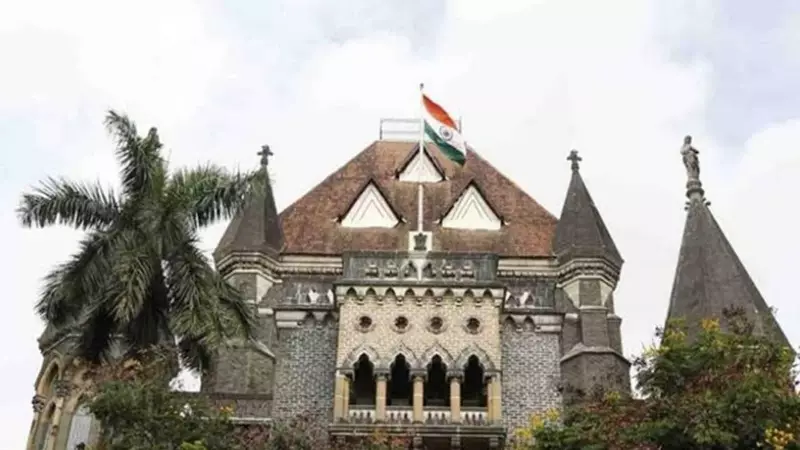
In a significant verdict balancing infrastructure development with environmental protection, the Bombay High Court has granted permission to the Brihanmumbai Municipal Corporation (BMC) to cut down 45,675 mangrove trees for the proposed Versova–Bhayandar coastal road. However, the court has imposed a stringent set of conditions, including a decade-long annual audit, to ensure massive compensatory plantation.
The Court's Verdict: A Conditional Nod
The detailed order, made available on Tuesday, was passed by a division bench comprising Chief Justice Shree Chandrashekhar and Justice Gautam A Ankhad on December 12. The bench cleared the BMC's plea for the construction of the 26.32-kilometre-long coastal road, a project estimated to cost nearly Rs 18,263 crore. The court's approval came with the crucial observation that mangroves "act as a natural buffer against coastal erosion and flooding" and hold "particular ecological significance for Mumbai and Thane."
The judges reiterated a core legal principle established in a landmark 2018 judgment: mangroves cannot be destroyed unless there is a "demonstrably required public interest." The court found that the coastal road project, aimed at decongesting major arteries like the Western Express Highway, met this high bar. The BMC claimed the road would reduce travel distance by 10.4 km and cut travel time from 120 minutes to just 18 minutes between Versova and Bhayandar.

Stringent Safeguards and Compensatory Measures
The court's relief to the BMC was heavily contingent on the "express ecological commitments" and "categorical assurances" provided by the civic body. The cornerstone of this is a massive compensatory afforestation drive. The BMC has committed to planting and maintaining 1,37,025 mangrove trees—three times the number being cut—over 30 hectares of degraded mangrove forest land in Bhayander village, Palghar district.
To ensure this promise is not forgotten, the High Court issued a groundbreaking directive. It ordered the BMC to file comprehensive status and audit reports every year for the next ten years. These reports must detail the progress of the compensatory plantation, its maintenance, and the protection of the newly planted mangroves. The court explicitly warned that failure to comply would invite contempt of court action against the authority.
Background: The 2018 Freeze and the Path Forward
This verdict operates under the shadow of a September 2018 Bombay High Court judgment, delivered on a Public Interest Litigation (PIL) by the Bombay Environmental Action Group (BEAG). That order had imposed a total freeze on the destruction of mangroves across Maharashtra without the court's prior permission. Consequently, any public project requiring mangrove destruction must now seek the HC's approval.
The court acknowledged past failures, reiterating its "serious concern regarding the apathy displayed and the unsatisfactory state of mangrove replantation." The annual audit condition is a direct response to this history of neglect. The bench also noted that while sustainable development is integral to the right to life, courts exercise restraint in infrastructure matters, relying on the expertise of statutory bodies when adequate safeguards are in place.
The BMC stated that the project's net affected area is approximately 84 hectares and that all necessary statutory permissions have been obtained. The civic body also projected environmental benefits from reduced congestion, including lower fuel consumption and a significant reduction in CO2 emissions.