Allahabad High Court Orders Immediate Unsealing of Private Madarsa
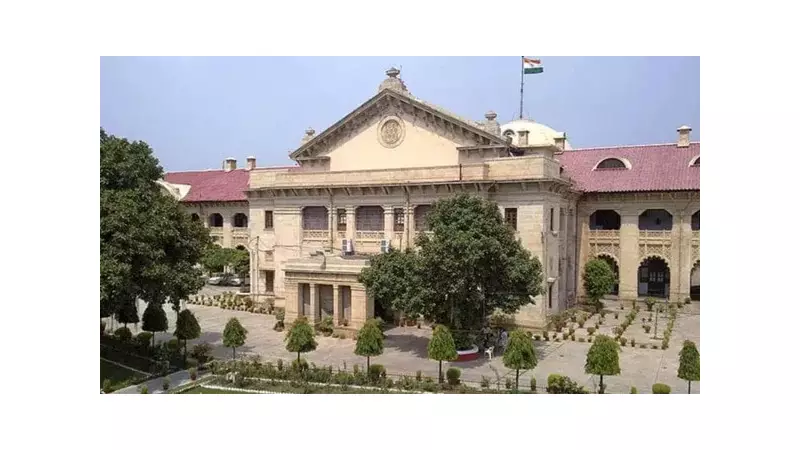
The Lucknow bench of the Allahabad High Court has issued a significant directive to the Shrawasti District Minority Welfare Officer. The court ordered the official to remove the seal from a private madarsa within twenty-four hours. This decision came after the court examined whether non-recognition alone could justify shutting down the educational institution.
Court Rejects Closure Order Based Solely on Recognition Status
Justice Subhash Vidyarthi delivered the judgment while hearing a petition filed on behalf of Madarsa Ahle Sunnat Imam Ahmad Raza. The institution's manager, Abdul Rahman, challenged an order from May 1, 2025. That order, issued by the District Minority Welfare Officer, had directed the madarsa to cease operations because it lacked recognition from the Uttar Pradesh Board of Madarsa Education.
The court carefully considered arguments from both sides. The petitioner's counsel presented a compelling case. He explained that Regulation 13 of the Uttar Pradesh Non-Governmental Arabic and Persian Madarsa Recognition, Administration and Services Regulation, 2016, clearly outlines consequences for unrecognized madarsas. The regulation states such institutions cannot receive state grants. However, it does not authorize authorities to stop their functioning entirely.

Constitutional Protection for Minority Institutions
The counsel emphasized a crucial constitutional point. He referenced a Supreme Court decision that categorizes minority educational institutions. The categories are:
- Institutions that seek neither aid nor recognition from the State.
- Institutions that want state aid.
- Institutions that want only recognition but not aid.
The petitioner's counsel argued Madarsa Ahle Sunnat Imam Ahmad Raza falls into the first category. The institution seeks neither financial aid nor formal recognition from the state. Therefore, its operation enjoys protection under Article 30(1) of the Indian Constitution. This article grants minorities the right to establish and administer educational institutions of their choice.
The Additional Chief Standing Counsel opposed the petition. He argued that running an unrecognized madarsa could create complications. Students from such institutions might not receive benefits based on their qualifications. However, the court noted he could not point to any regulation allowing authorities to shut down a madarsa solely due to non-recognition.
Court's Clear Verdict and Conditions
In its order dated January 16, the court reached a firm conclusion. The bench quashed the District Minority Welfare Officer's closure order from May 1, 2025. The court stated the lack of recognition cannot be the sole ground for stopping the madarsa's operations.
The court also set specific conditions in its ruling:
- The petitioner madarsa will not be entitled to claim any government grant until it obtains recognition.
- The Madarsa Education Board is not obliged to permit the madarsa's students in its examinations.
- Students cannot claim benefits for their qualifications from the state government for any purpose.
The court issued a clear operational directive. It ordered the seal on the madarsa to be opened within twenty-four hours of producing a certified copy of the court order. This ensures the institution can resume its educational activities promptly.
This judgment reinforces the legal protections for minority educational institutions. It clarifies that administrative requirements like recognition cannot override constitutional rights unless specific legal provisions authorize such action. The decision maintains a balance between regulatory oversight and the fundamental rights of minority communities to manage their educational establishments.