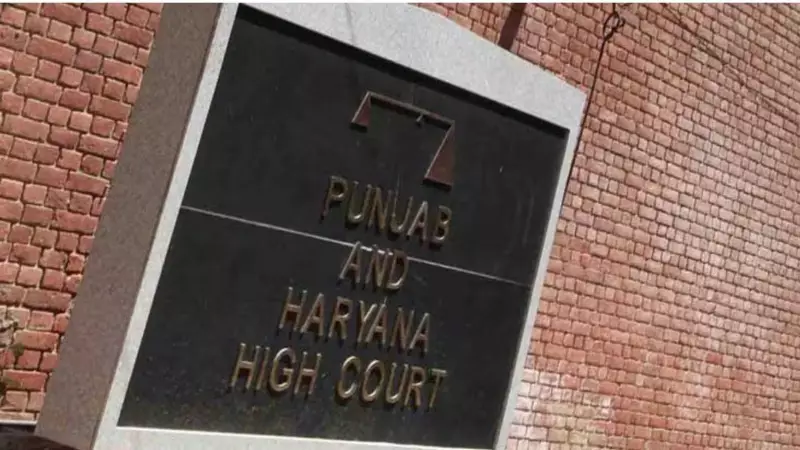
Punjab and Haryana HC Orders 461 Fireman Posts Reserved for Women to Go to Men
The Punjab and Haryana High Court has issued a significant order. It directs Punjab authorities to fill hundreds of vacant fireman posts. These posts were originally reserved for women. Now, they will go to eligible male candidates.
No Women Qualified the Physical Tests
Justice Harpreet Singh Brar delivered this order. The decision came after a 2023 recruitment drive. In that drive, no female candidate cleared the required physical measurement and efficiency test. This left all 461 posts reserved for women completely vacant.
The recruitment advertisement appeared in January 2023. It sought to fill 991 posts of firemen and driver-operators. These positions were for municipal councils, corporations, and panchayats across Punjab. Out of these, 461 posts were specifically earmarked for women candidates.

Different Physical Standards for Men and Women
The educational qualifications were the same for both men and women. However, the physical standards differed significantly.
For male candidates, the requirements were stricter. They had to meet specific height, chest, and eyesight norms. They also had to clear three demanding physical fitness tests. These tests included running with a 60 kg weight, ladder lifting, and rope climbing.
For female candidates, the standards were more lenient. They only needed to meet height and eyesight standards. They were exempt from the strenuous fitness tests that men had to pass.
Despite this exemption, the results were clear. A total of 1,875 women appeared for the physical test. Not a single one managed to clear it. The results declared in February 2024 confirmed this. All women-reserved posts remained unfilled.
Petition Filed by Qualified Male Candidates
The court case began with a petition. Male candidates who had cleared the physical tests and document verification filed it. Senior Advocate Vikas Chatrath represented them. He argued under Rule 5(3) of the Punjab Civil Services (Reservation of Posts for Women) Rules, 2020.
This rule states a clear principle. Vacancies reserved for women that stay unfilled must be filled from other candidates. These other candidates must be from the same vertical category if no eligible women are available.
An earlier representation by the petitioners faced rejection in June 2024. The reason was a related case pending before a division bench. That case, Jasdeep Kaur and others versus State of Punjab and others, sought relaxation of physical standards for women.
Court's Reasoning and Final Order
The division bench dismissed those petitions in September 2025. It held that challenges to the rules came too late. The candidates had already participated in the selection process. The bench did leave it open for the state to consider relaxation in future recruitments. However, it clarified this was not a direction.
In the present case, Justice Brar made a key observation. He stated that none of the female candidates could qualify the PMT. This caused all the posts reserved for women to remain vacant.
The court underlined the rule. Rule 5(3) specifically forbids carrying forward unoccupied vacancies. It mandates filling such posts from eligible male candidates. This must follow the vertical reservation guidelines.
The court also noted the petitioners' claim lacked earlier examination. This was due to the pending case. Justice Brar held that since vacant posts appeared at the recruitment's end, they must be filled. They should go to the next eligible meritorious candidate in the absence of eligible women.
The judgment relied on precedent. It cited a 2009 division bench ruling in Gajraj Singh versus State of Haryana. That ruling held vacancies should be filled from the merit list if eligible candidates exist. The court also referred to its own 2025 decision in a similar case.
The writ petition was disposed of with a clear direction. The competent authority must fill the remaining vacant posts. This must be done in accordance with the Rules of 2020. The court did not set a specific timeline for this exercise.