High Court Balances Development and Ecology: Panel to Review 251-Tree Felling for Mohali Roundabouts
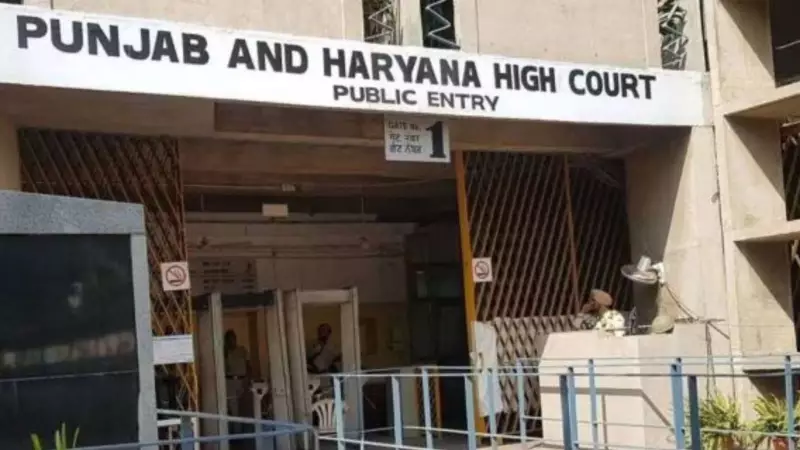
The Punjab and Haryana High Court has taken a decisive step in the ongoing debate between infrastructure development and environmental conservation. On Friday, the court established a specialized commission to scrutinize a contentious proposal to fell 251 trees for constructing roundabouts in Mohali. This move comes as the court firmly declined to revoke its comprehensive ban on tree felling across Punjab, despite persistent appeals from the state government.
Commission to Assess Traffic Safety and Environmental Impact
A Division Bench comprising Chief Justice Sheel Nagu and Justice Sanjiv Berry is overseeing the case, initiated by an application from the Greater Mohali Area Development Authority (GMADA). GMADA seeks permission to remove the trees to build three roundabouts on PR 7 Road in SAS Nagar, citing severe traffic congestion and frequent fatal accidents at these junctions, which it labels as accident blackspots.
The newly formed commission will include representatives from the Punjab Advocate General's office, GMADA, the Forest Department, and legal counsel involved in the matter. It has been instructed to conduct a thorough inspection of the affected stretch within four days and submit a detailed report to the court next week.

Court Questions Necessity and Highlights Ecological Concerns
During the hearing, GMADA's counsel argued that all statutory permissions were in place and that compensatory afforestation—five times the number of trees to be cut—had been approved under the Punjab Tree Preservation Policy, 2024. However, the bench expressed significant reservations about the potential loss of mature and heritage species, such as peepal, banyan, and neem trees.
Chief Justice Nagu emphasized the long-term ecological consequences, pointedly asking GMADA's counsel, "Do you want your children and grandchildren to survive or not?" He underscored that while human lives lost in road accidents are a grave concern, environmental degradation cannot be overlooked. "Human lives are important, but so is the environment," he remarked, stressing the court's role in balancing development with ecological preservation.
Blanket Ban to Remain Until Commission's Report
The court has mandated that the commission provide maps and aerial views pinpointing each tree slated for removal, clearly distinguishing between heritage and non-heritage species. Additionally, the panel must evaluate whether cutting these trees is unavoidable for enhancing traffic safety. The blanket ban on tree felling, imposed on December 24, 2025, will remain in effect until the commission's findings are reviewed.
Punjab Advocate General M S Bedi repeatedly urged the court to relax the ban, highlighting that development projects with all legal approvals were being stalled. He noted Punjab's status as an agrarian state with limited forest cover and pointed to existing safeguards like compensatory plantation. The bench, however, maintained that permissions alone are insufficient and that an independent assessment of environmental impact, especially regarding old urban trees, is essential.
Clarifications for Farmers and Rural Areas
In a related development, the court addressed concerns from farmers in the Kandi belt and other rural regions. It clarified that the blanket ban does not apply to agroforestry on private land, including poplar and eucalyptus plantations cultivated by farmers for livelihood purposes. The bench acknowledged that such trees have short life cycles and are managed under established licensing systems.
Furthermore, the court stated that decaying or hazardous trees posing immediate threats to human life could be removed, but only after proper certification by competent authorities. The case will proceed after the commission submits its report, with any decision on the Mohali roundabouts contingent on site-specific evidence rather than general assurances.