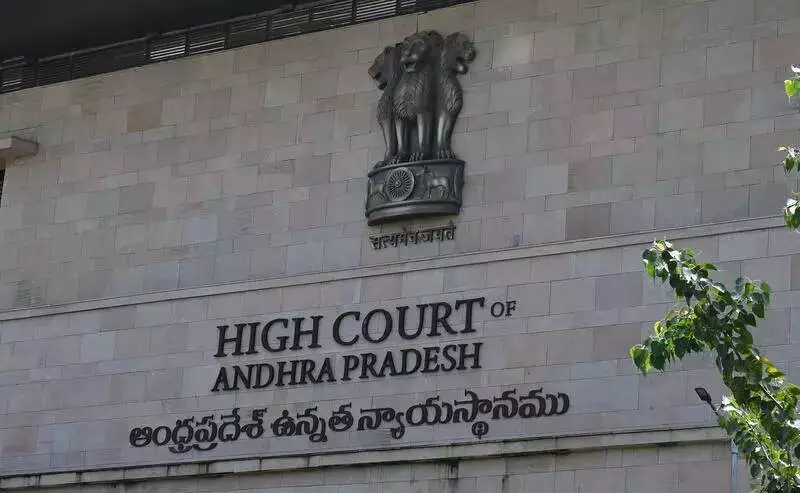
Vijayawada High Court Sets Clear Rule for Police Investigations
The Vijayawada High Court delivered a significant judgement recently. It clarified police powers in non-cognisable cases. The court stated police cannot proceed with investigations without prior authorisation from a magistrate in such matters.
Case Background: Sand Theft Allegations
Justice Venkata Jyothiramayee Pratapa issued this ruling while hearing a quash petition. The petitioner was P Rashidulla. Kurnool police had booked him for alleged sand theft.
Rashidulla approached the high court seeking to quash the case. His senior counsel, Posani Venkateswarlu, presented key arguments. He stated the stolen sand's value was only Rs 1,500. Under the MMDR Act, this amount makes the offence non-cognisable.

The counsel highlighted another critical issue. The informant and investigating officer were the same person in this case. This arrangement violates legal procedures. The complaint should originate from the concerned authority, not the investigating officer.
Court's Observations and Ruling
The government pleader conceded the sand's value was indeed Rs 1,500. Justice Pratapa examined relevant legal provisions. She noted theft of property valued below Rs 5,000 under Section 303(2) of BNS constitutes a non-cognisable offence.
The judge made a clear observation. Police must obtain appropriate orders from the magistrate before investigating any non-cognisable offence. This crucial step was missing in Rashidulla's case.
Justice Pratapa expressed strong disapproval of how police handled the matter. She stated the case was registered mechanically. This approach amounted to abuse of the legal process.
The high court allowed Rashidulla's petition. It quashed all proceedings against him. This decision reinforces procedural safeguards in criminal investigations.
Broader Implications
This judgement establishes an important precedent. It reminds police authorities about legal boundaries. Non-cognisable cases require magistrate oversight from the beginning.
The ruling protects citizens from potential harassment. It ensures police follow proper channels before initiating investigations. Legal experts believe this will prevent misuse of power in minor offences.
Courts across India may reference this judgement in similar cases. It clarifies the distinction between cognisable and non-cognisable offences. The emphasis on magistrate authorisation strengthens judicial oversight.
This case involved sand theft, but the principle applies broadly. Any non-cognisable offence now requires magistrate approval for police investigation. The Vijayawada High Court has drawn a clear line for law enforcement agencies.