

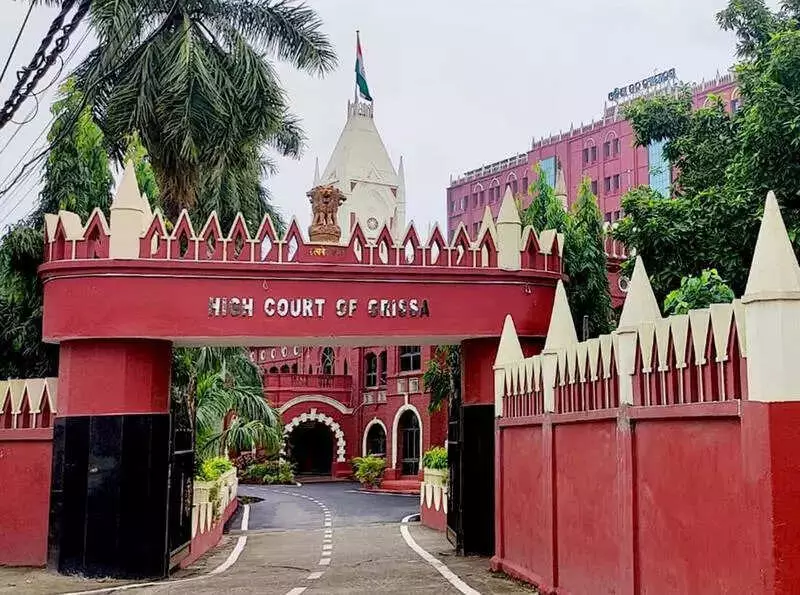
The Orissa High Court has stepped in to examine a hefty pollution-related penalty imposed on a vehicle owner, raising significant questions about the enforcement process. The court has formally sought explanations from top state transport officials regarding a challan of Rs 10,000.
Court Issues Notices to Transport Authorities
A bench led by Justice S K Panigrahi heard the petition challenging the fine and issued notices to the Transport Commissioner, the State Transport Authority (STA), and the Additional Commissioner of Transport (Enforcement). The court directed these authorities to file their detailed replies within two weeks. The next hearing in the case has been scheduled for January 30.
The case centers on a penalty levied against Dr. Keertidhara Das, a 70-year-old resident of Bhubaneswar. The challan was issued on December 21, 2025, for a car he purchased in 2018. The fine was imposed under Section 190(2) of the Motor Vehicles Act, 1988, which allows for penalties of up to Rs 10,000 for violations of air and noise pollution norms.

Legal Arguments Against the Penalty
Advocate Sahasransu Sourav, representing the petitioner, argued that the enforcement authority acted arbitrarily. He contended that the Additional Commissioner of Transport imposed the maximum fine of Rs 10,000 in a blanket manner without recording any specific reasons or disclosing the basis for levying the highest permissible penalty.
The petition further claimed that the mandatory legal procedure was not followed. Under Rule 116 of the Central Motor Vehicle Rules, the authority must first direct the vehicle owner to produce the vehicle for pollution testing. Legal proceedings under Section 190(2) can only be initiated if the owner fails to comply with this direction. The plea states that this crucial step was bypassed, rendering the challan illegal.
It was also argued that the official who issued the challan was not present at the spot. Therefore, he could not have objectively formed a "reason to believe" that the vehicle was violating prescribed emission standards under Rule 115. The petitioner's counsel asserted that the penalty amounted to an overreach of power and should be set aside.
Broader Context of Pollution Enforcement
This case emerges amidst heightened judicial scrutiny of the state's vehicle pollution control measures. Earlier this month, a division bench headed by Chief Justice Harish Tandon sought the state government's response to an STA decision to deny fuel to vehicles without valid Pollution Under Control Certificates (PUCCs).
This proposed policy, which was initially planned for a January 1 rollout and later deferred to April 1, is also under active consideration by the court. The current petition challenging the individual fine thus fits into a larger legal examination of how pollution norms are enforced in Odisha.
The High Court's intervention underscores the necessity for transparency and due process in environmental law enforcement, ensuring that penalties are applied fairly and in accordance with established legal safeguards.






