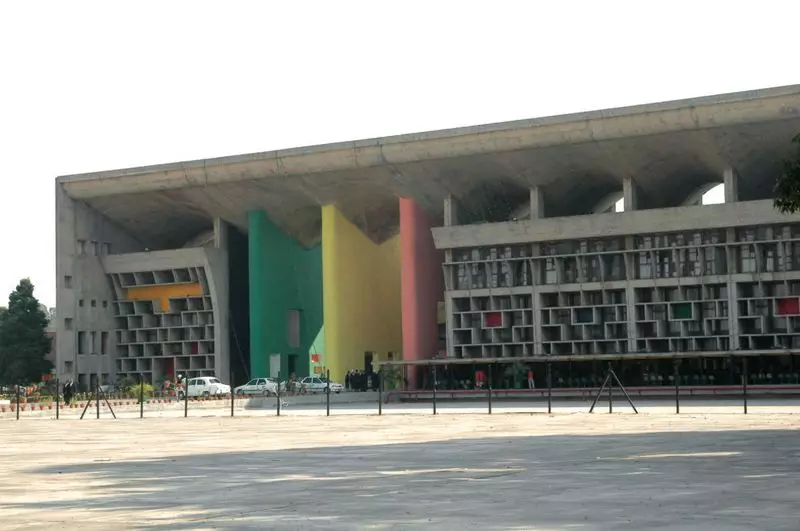
Punjab and Haryana High Court Seeks Detailed Report on Compensatory Planting Near DLF Gurugram Project
The Punjab and Haryana High Court has taken a proactive stance on environmental conservation by directing relevant authorities to submit a comprehensive report regarding compensatory planting initiatives associated with the DLF project in Gurugram. This judicial intervention underscores the growing emphasis on balancing urban development with ecological sustainability in the rapidly expanding region of Haryana.
Judicial Scrutiny Over Environmental Compliance
In a significant move, the High Court has called for a detailed account of the compensatory afforestation measures that were mandated as part of the approval process for the DLF development in Gurugram. The court's directive aims to ensure that the project adheres to environmental norms and fulfills its obligations to mitigate the loss of green cover caused by construction activities.
The bench, expressing concern over potential lapses in environmental compliance, has sought clarity on whether the stipulated planting of trees has been carried out effectively and in accordance with the prescribed guidelines. This step reflects the judiciary's commitment to upholding environmental laws and promoting sustainable urban growth.

Implications for Gurugram's Urban Landscape
Gurugram, a key hub in the National Capital Region, has witnessed extensive real estate development over the past decades, often at the expense of its natural greenery. The High Court's intervention in the DLF project case highlights the critical need for compensatory planting to offset the environmental impact of such large-scale constructions.
Authorities are now required to provide a thorough report detailing the extent of compensatory afforestation, including the number of trees planted, their species, survival rates, and the locations where these plantations have been established. This scrutiny is expected to set a precedent for other development projects in the region, emphasizing accountability in environmental management.
Broader Environmental Concerns in Haryana
The case brings to the forefront broader environmental issues in Haryana, where rapid industrialization and urbanization have led to significant ecological challenges. Compensatory planting is a crucial mechanism under environmental regulations to ensure that development does not irreversibly harm the state's natural resources.
The High Court's action serves as a reminder to developers and regulatory bodies alike about the importance of integrating environmental safeguards into planning processes. It also aligns with national efforts to enhance green cover and combat climate change through afforestation initiatives.
As the report is awaited, stakeholders in the real estate and environmental sectors will be closely monitoring the outcomes, which could influence future policies and practices related to sustainable development in Haryana and beyond.