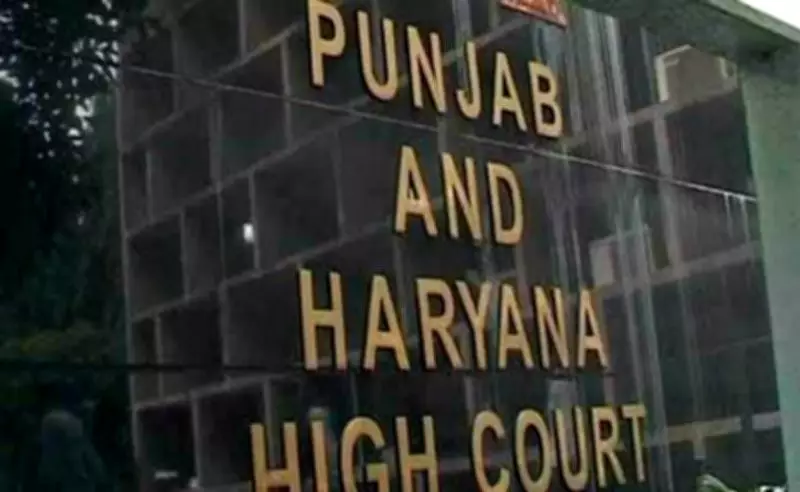
Chandigarh High Court Intervenes in Power Employees Transfer Dispute
The Punjab and Haryana High Court has issued a significant order, staying a directive from the Central Administrative Tribunal (CAT) that had previously granted status quo on the transfer of power employees to the Chandigarh Power Distribution Limited (CPDL). This legal development marks a pivotal moment in the ongoing administrative and labor dispute concerning the reorganization of power sector personnel in the region.
Background of the Central Administrative Tribunal Order
Earlier, the Central Administrative Tribunal had intervened in the matter by issuing an order that effectively halted the transfer process of power employees to CPDL. The tribunal's decision to grant status quo was aimed at maintaining the current state of affairs, thereby preventing any immediate changes to the employment status or working conditions of the affected employees. This move was likely in response to petitions or concerns raised by the employees or their representatives, highlighting potential issues related to job security, terms of service, or procedural fairness in the transfer process.
High Court's Decision to Stay the CAT Order
In a recent ruling, the Punjab and Haryana High Court has decided to stay the CAT order, thereby lifting the status quo that was in place. This means that the transfer of power employees to CPDL can now proceed, subject to any further legal proceedings or appeals. The High Court's decision suggests a reassessment of the legal merits or administrative necessities involved, potentially favoring the implementation of the transfer as part of broader reforms or operational efficiencies in the power distribution sector.

The court's order underscores the judicial oversight in such matters, balancing employee rights with organizational needs. It may have considered factors such as the public interest in ensuring uninterrupted power services, the legal framework governing employee transfers, and the potential for resolving disputes through proper channels without undue delay.
Implications for Power Employees and CPDL
This development has direct implications for the power employees involved, as their transfer to CPDL could now move forward. Employees may face changes in their roles, responsibilities, or employment terms, which could lead to concerns about job stability, benefits, and working conditions. On the other hand, CPDL, as the entity receiving these employees, might benefit from an influx of skilled personnel, potentially enhancing its operational capacity and service delivery in Chandigarh's power distribution network.
The situation highlights the complexities of public sector reorganizations, where legal interventions play a crucial role in mediating between employee welfare and administrative objectives. Stakeholders, including employee unions, management, and government authorities, will need to navigate this evolving scenario carefully to ensure a smooth transition and address any residual grievances.
Legal and Administrative Context
The case reflects broader trends in India's administrative and labor law, where tribunals like CAT often handle disputes involving government employees, while high courts provide appellate oversight. The transfer of employees to entities like CPDL is part of efforts to modernize and streamline public utilities, but it must comply with legal standards and procedural fairness.
As the matter progresses, further hearings or appeals could shape the final outcome, making it essential for all parties to stay informed and engaged in the legal process. The High Court's stay order is a temporary measure, and the ultimate resolution will depend on subsequent judicial reviews and any settlements reached between the involved parties.