High Court Puts Brakes on Teacher Regularization Order in Chandigarh
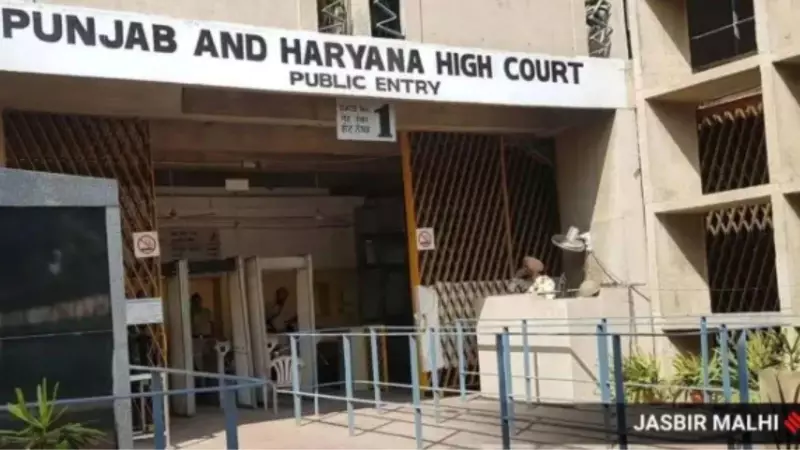
The Punjab and Haryana High Court has stepped in to halt a significant order concerning teachers in Chandigarh. On Thursday, a division bench issued a stay on a previous ruling that mandated the regularization of educators appointed under the Sarva Shiksha Abhiyan scheme.
Court Halts Single-Bench Decision
A division bench comprising Justices Ashwani Kumar Mishra and Rohit Kapoor delivered an interim order. They stayed the judgment from a single-judge bench that had directed the regularization of all Union Territory teachers appointed under SSA who completed over ten years of service.
The bench acted on an appeal filed by the Chandigarh Administration and another petitioner. These parties challenged the single-bench's ruling from November last year.

Background of the SSA Appointments
The Chandigarh Administration appointed more than 1,300 teachers under the Sarva Shiksha Abhiyan between 2005 and 2014. The recruitment process followed standard procedures including public advertisements, written tests, and qualification verification.
Despite mirroring the process for regular government teachers, these educators remained on annual contracts. The administration consistently cited a lack of sanctioned posts as the reason for maintaining contractual status.
The Contested November Ruling
On November 14, the single bench had ordered the regularization of all eligible Chandigarh SSA teachers. The judge ruled that the administration could not misuse contractual labels to deny regular employee rights.
The judgment directed both the Union Territory administration and the Central government to complete the regularization within six weeks. This decision would have affected numerous teachers who have served for over a decade.
Administration's Legal Arguments
Senior counsel Amit Jhanji represented the Chandigarh Administration during Thursday's hearing. Advocate Abhishek K Premi assisted him in presenting the case.
Jhanji argued that Sarva Shiksha Abhiyan represents a centrally sponsored scheme. He emphasized that posts created under this program never merged with the regular teaching cadre of the Union Territory.
The senior counsel contended that without any policy decision or sanctioned posts, the writ petitioners could not claim a legal right to regularization. He maintained that the scheme operated under different parameters than regular employment.
Concerns About Far-Reaching Consequences
Senior panel counsel Himanshu Malik supported the administration's submissions. He specifically requested a stay on the impugned judgment.
Malik submitted that implementing the single-bench order would have far-reaching administrative and legal consequences. He warned about potential ripple effects across similar schemes and employment structures.
Court's Observations and Next Steps
The division bench observed that the matter required careful consideration. They acknowledged the complexity of the issues presented.
The bench issued a notice of motion and ordered that the single-bench judgment would remain stayed until the next hearing. They scheduled the subsequent hearing for March 25, effectively putting all regularization directions on hold until that date.
This development means hundreds of SSA teachers in Chandigarh must wait longer for clarity about their employment status. The court's final decision could set important precedents for similar cases across the region.