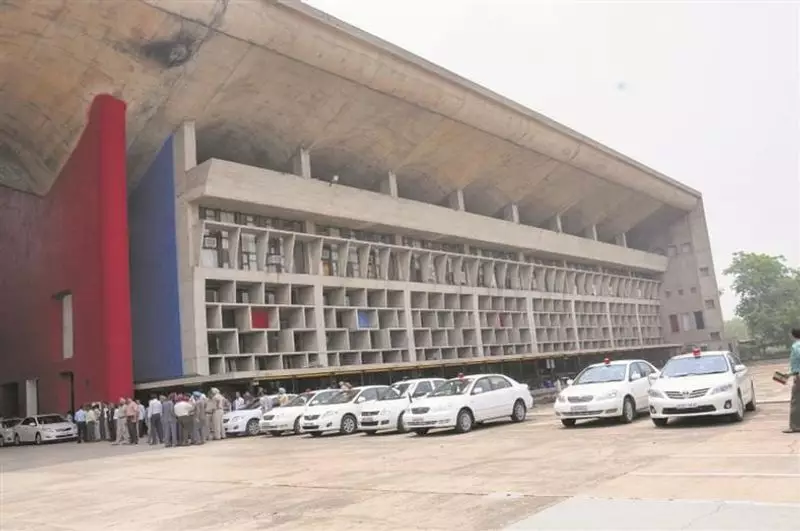
In a significant ruling that reinforces the financial autonomy of judicial officers, the Punjab and Haryana High Court has struck down the Haryana government's controversial decision to cut the pension component from the emoluments of the state's Lokayukta. This judgment, delivered by a bench of the high court, addresses a contentious issue that had sparked debates over the independence and dignity of the ombudsman institution in Haryana.
Background of the Case
The dispute arose when the Haryana government implemented a policy to reduce the pension benefits allocated to the Lokayukta, effectively lowering the overall compensation package for the position. The Lokayukta, an anti-corruption ombudsman tasked with investigating grievances against public officials, argued that this cut undermined the statutory provisions and financial security intended for the role. The government defended its move as a cost-saving measure, but the high court found it legally untenable.
Key Arguments and Court's Reasoning
During the proceedings, the petitioner's counsel emphasized that the pension cut violated established laws governing the Lokayukta's emoluments, which are designed to ensure impartiality and attract qualified individuals to the post. The court concurred, noting that such reductions could compromise the Lokayukta's independence by creating financial pressures. In its detailed order, the bench highlighted that the government's action was not in compliance with the relevant statutes and precedents safeguarding judicial remuneration.

Implications for Governance and Anti-Corruption Efforts
This ruling is expected to have far-reaching consequences for governance in Haryana. By restoring the full pension benefits, the court has reaffirmed the importance of protecting the Lokayukta from potential political or economic influences. Experts suggest that this decision will bolster anti-corruption mechanisms by ensuring that the ombudsman can operate without fear of retribution or financial instability. It also sets a precedent for other states to review similar policies affecting judicial and quasi-judicial bodies.
Reactions and Future Steps
Legal circles have welcomed the judgment as a victory for judicial autonomy, while the Haryana government is yet to issue an official response on whether it will appeal the decision. Observers note that this case underscores the ongoing tensions between executive actions and judicial oversight in India. Moving forward, the state may need to revisit its budgetary allocations to align with the court's directive, ensuring that the Lokayukta's role remains robust and effective in combating corruption.
In summary, the Punjab and Haryana High Court's decision to quash the pension cut from the Haryana Lokayukta's emoluments marks a critical step in upholding the integrity of India's anti-corruption framework. It serves as a reminder that financial security for judicial officers is paramount to maintaining public trust and the rule of law.