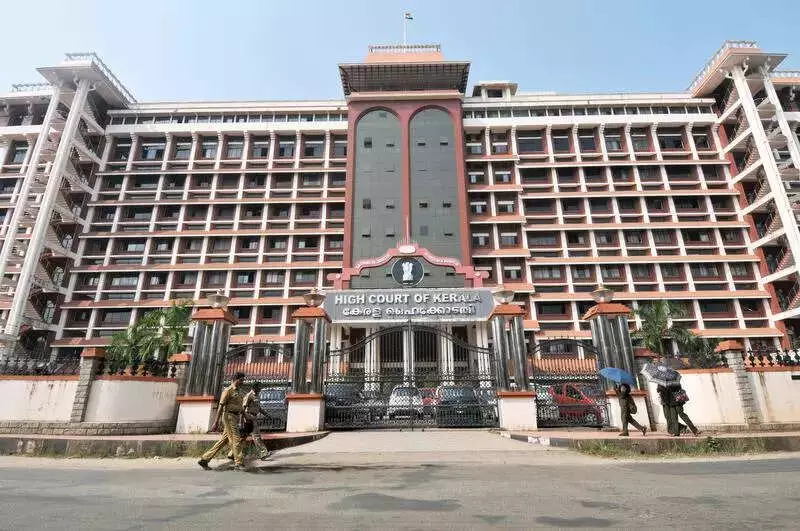
Kerala High Court Directs Centre to Decide on Former KAT Chief's Re-induction Plea
The Kerala High Court has disposed of a petition filed by Justice C K Abdul Rahim, the former chairman of the Kerala Administrative Tribunal (KAT). The court directed the central government to decide within one month on his representation seeking re-induction to the post for an additional year. This order follows a recent Supreme Court judgment that impacts the tenure rules for such positions.
Background of the Case
Justice C K Abdul Rahim, who also served as a judge of the Kerala High Court, was appointed as the chairman of KAT on September 6, 2021. His initial term was set for four years, and he demitted office on September 5, 2025. However, a significant development occurred in 2025 when the Supreme Court delivered a judgment in the case of Madras Bar Association vs Union of India.
In that ruling, the apex court directed the central government to amend the relevant rules. The new guidelines fix the tenure of the KAT chairman at five years or until the incumbent attains the age of 70 years, whichever comes earlier. This change created a legal basis for Justice Rahim to seek an extension of his term.

Petitioner's Arguments and Actions
Based on the Supreme Court's order, Justice Rahim contended that he is entitled to hold the office of KAT chairman for a full five-year period from his appointment date. This would allow him to continue in the position until September 5, 2026. To formalize this claim, he submitted a representation to the central government in November 2025, requesting his re-induction to the post.
When the representation remained pending without a decision, Justice Rahim approached the Kerala High Court for relief. He argued that only an administrative order is necessary to reinstate him, as the post is currently vacant and the Supreme Court has already clarified the legal position. His plea emphasized the urgency of resolving the matter to avoid further delays.
High Court's Decision
The Kerala High Court took note of the submissions made by Justice Rahim. After considering the facts and the Supreme Court's judgment, the court disposed of the petition. It directed the central government to take an appropriate decision on the petitioner's representation within a stipulated time frame of one month.
This directive aims to ensure a timely resolution, balancing the petitioner's rights with administrative efficiency. The court's order underscores the importance of adhering to legal precedents set by higher judicial authorities.
Implications and Next Steps
The case highlights the interplay between judicial appointments and administrative processes. With the High Court's direction, the central government now faces a deadline to evaluate Justice Rahim's request. The outcome could set a precedent for similar situations involving tenure extensions under revised rules.
Observers will watch closely as the government deliberates on this matter. The decision will not only affect Justice Rahim's career but also reflect on the implementation of Supreme Court mandates in administrative tribunals across India.