Allahabad High Court Protects Unrecognized Madrasas from Forced Closure in Uttar Pradesh
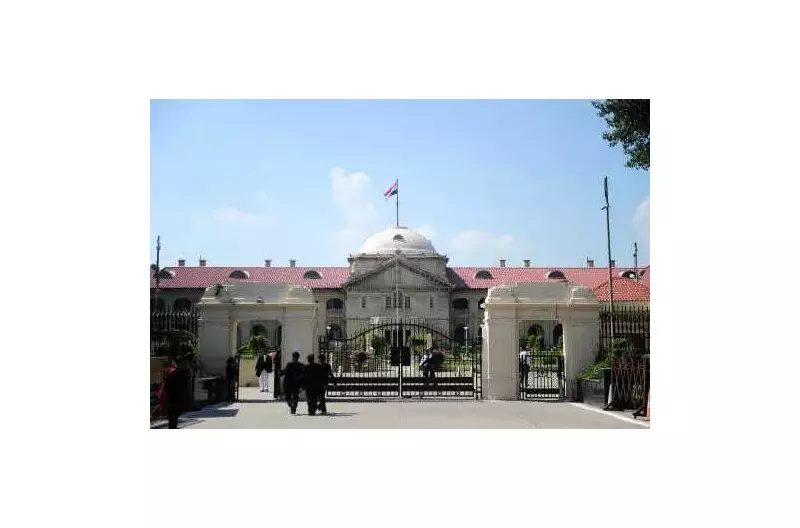
In a significant ruling that clarifies the legal status of minority educational institutions, the Lucknow bench of the Allahabad High Court has declared that unrecognized madrasas cannot be forcibly closed under the Uttar Pradesh Non-Governmental Arabic and Persian Madrasa Recognition, Administration and Services Regulation of 2016. This landmark judgment came on Tuesday as the court set aside a state government order that had issued show-cause notices to a madrasa in Shravasti district for operating without official recognition.
Court's Rationale and Constitutional Protection
Justice Subhash Vidyarthi, while hearing a petition filed by Madrasa Ahle Sunnat Imam Ahmad Raza, interpreted the provisions of the 2016 Regulation and concluded that the forced closure of unrecognized madrasas would be illegal. The bench specifically quashed a show-cause notice issued by the district minority welfare officer on May 1, 2025, which had threatened the madrasa with closure.
The petitioner's counsel, Sayyed Farooq Ahmad, presented a compelling argument based on constitutional protections. He referenced the Supreme Court's classification of minority educational institutions into three distinct categories: those that neither seek recognition nor aid from the state, those that desire both recognition and aid, and those that seek only recognition without financial assistance. Crucially, the first category of institutions enjoys protection under Article 30(1) of the Indian Constitution, which safeguards the rights of minorities to establish and administer educational institutions of their choice.

Important Limitations and Government's Authority
While protecting unrecognized madrasas from forced closure, the High Court bench established clear limitations on their operations and privileges. The court explicitly clarified that such institutions will not be entitled to claim any government grants until they obtain proper recognition. Furthermore, the Madrasa Education Board will have no obligation to permit students from unrecognized madrasas to participate in examinations conducted by the board.
The bench also ruled that students graduating from unrecognized madrasas cannot claim the benefit of their qualifications for any purpose related to the Uttar Pradesh state government. This creates a balanced approach where institutions can continue operating without fear of immediate closure, but without access to state benefits typically available to recognized educational establishments.
Broader Context of Government Actions
This ruling comes against the backdrop of the Uttar Pradesh government's extensive drive against illegal encroachments, particularly in districts near the India-Nepal border. In April 2025, authorities launched major operations in Bahraich, Shravasti, Siddharthnagar, Maharajganj, and Balrampur districts, demolishing hundreds of unauthorized structures that included unrecognized religious institutions.
During these operations, illegal constructions were demolished in Shravasti and Bahraich, while in Siddharthnagar, authorities identified twelve illegal structures and issued appropriate notices. Interestingly, a day-long survey in Lakhimpur Kheri district found no illegal encroachments. The state government described these actions as targeting long-standing illegal occupations of valuable border land that the Yogi Adityanath administration is determined to reclaim.
Previous Legal Precedents and Future Implications
This is not the first time the Lucknow bench has intervened in matters concerning madrasa regulations. In August 2025, the same bench set aside notices issued to more than two and a half dozen madrasas in Shravasti district that had been ordered to close down. However, in that earlier ruling, the court granted liberty to state authorities to issue fresh notices in accordance with proper legal procedures.
The current judgment establishes a clearer legal framework for how the state government can regulate unrecognized madrasas while respecting constitutional protections for minority educational institutions. It provides guidance for future cases and establishes boundaries for both educational institutions seeking to operate without state recognition and government authorities attempting to regulate them.

The ruling represents a nuanced approach to educational regulation in Uttar Pradesh, balancing the state's interest in maintaining educational standards with constitutional protections for minority institutions. It provides legal clarity for hundreds of madrasas operating across the state while establishing clear parameters for their relationship with government authorities and access to state benefits.