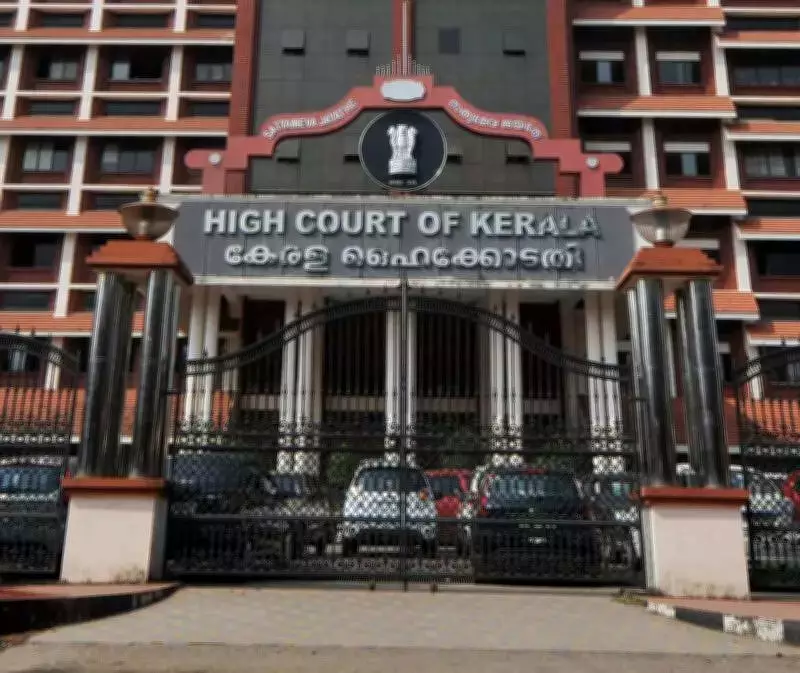
Kerala High Court Urged to Formulate Comprehensive SOP for Deportee Safety Following Tragic Death
The Ernakulam Range Deputy Inspector General (DIG) has submitted a critical report to the Kerala High Court, urging the formulation of a comprehensive Standard Operating Procedure (SOP) for the safe accommodation and transit of deportees. This urgent recommendation follows the tragic death of Suraj Lama, a deportee from Kuwait, whose case exposed severe systemic failures.
Report Highlights Multiple Lapses in Handling of Deportee Case
The DIG's report, filed in compliance with the High Court's directive to probe alleged lapses, flags significant shortcomings by multiple authorities. It identifies failures on the part of the police, the airport terminal manager of Cochin International Airport Ltd (CIAL), and the duty doctor and nursing staff at the Government Medical College Hospital (MCH) in Kalamassery. These lapses contributed to the mishandling of Suraj Lama's case, ultimately leading to his death.
The report underscores the pressing need for a detailed SOP that clearly assigns responsibilities to the district administration, police, airport authority, Ministry of Home Affairs, and Ministry of External Affairs. This framework aims to ensure the safe accommodation and transit of deportees, preventing the recurrence of such heartbreaking incidents.

Timeline of Events in Suraj Lama's Tragic Ordeal
Suraj Lama had been working in Kuwait for several years before suffering acute toxic leukoencephalopathy caused by alcohol poisoning, which required hospitalization. He was subsequently deported to Kochi on October 5, 2025, without his family in Bengaluru being informed—a critical oversight that set the stage for further complications.
After arriving in Kochi, Lama was reportedly seen at multiple locations before being reported missing. On October 10, the Thrikkakara police took him into custody without properly identifying him and admitted him to the Kalamassery MCH. Following this admission, his whereabouts became unknown. A decomposed body found near the hospital on November 30 was later confirmed through forensic examination to be that of Suraj Lama.
Specific Failures Identified in the DIG's Report
The report details specific lapses that occurred during Lama's transit. The airport terminal manager informed the police officer on duty at the airport aid post about Lama, describing him as an "unsound passenger." However, this crucial information was not promptly communicated to the nearby Nedumbassery police station. Instead, Lama was allowed to board a metro feeder bus without adequate supervision.
In response to this lapse, disciplinary proceedings have been initiated against the duty officer at the aid post, Sub-Inspector Sabu Varghese. The report further states that the airport terminal manager and other authorities failed to formally inform the police station about Lama, and no adequate arrangements were made to ensure his safe transit from the airport.
Hospital and Judicial Observations on the Case
Additional failures were noted at the MCH. Although Lama was admitted to the hospital at 5:30 PM on October 10, the duty doctor and nursing staff only began treatment at 9:30 PM—a delay of four hours. He was later discharged without informing the police aid post at the hospital, further complicating tracking efforts.
During court hearings, the bench of Justices Devan Ramachandran and M.B. Snehalatha orally observed that the real lapse may have occurred at the immigration stage and thereafter when police took him into custody. The Deputy Solicitor General informed the High Court that she would obtain specific instructions from the immigration department and file a report by the next posting date.
The High Court has directed the police to file a final report addressing the omissions noted by the court. The petition filed by Lama's son, Santon, who sought to trace his missing father, has been adjourned to Friday for further proceedings.
This case highlights systemic vulnerabilities in the handling of deportees, prompting calls for immediate procedural reforms to safeguard vulnerable individuals during transit and accommodation.