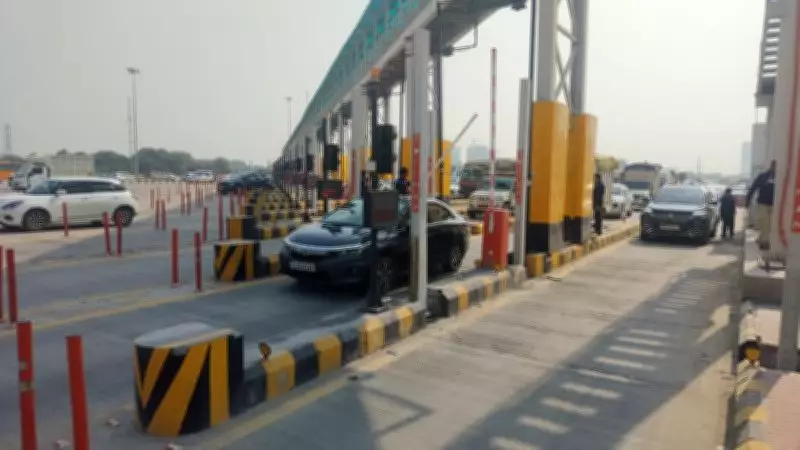
The Punjab and Haryana High Court has issued a significant order directing a status quo on the construction of a toll plaza near Fazilka. This decision came in response to a petition filed by local residents and farmers who have raised concerns over the proposed toll plaza. The petitioners argued that the construction would cause undue hardship and financial burden on the local community, which relies heavily on the road for daily commute and transportation of agricultural produce.
Background of the Case
The petition was filed before the High Court challenging the decision to set up a toll plaza on the Fazilka-Abohar road. The residents and farmers claimed that the toll plaza would increase their travel costs and affect their livelihoods. They also pointed out that the road is a vital link for the region and that the toll plaza would obstruct the free movement of goods and people.
Court's Intervention
After hearing the arguments from both sides, the High Court deemed it fit to intervene and ordered a status quo on the construction. The court has directed the concerned authorities to maintain the current situation until further orders. This means that no further construction work on the toll plaza can proceed until the next hearing.

Implications for the Region
The order has brought a temporary relief to the residents and farmers of the area. They have welcomed the court's decision and hope that the final verdict will be in their favor. The local community has been actively protesting against the toll plaza, and the court's intervention has given them a sense of vindication.
Next Steps
The High Court has scheduled the next hearing for the case in the coming weeks. Until then, the status quo will remain in effect. The authorities have been asked to submit their response to the petition, and the court will then decide on the matter. The petitioners are optimistic that the court will rule against the toll plaza, considering the hardships it would cause to the local population.
This case highlights the ongoing tensions between infrastructure development and local community interests. While toll plazas are often seen as necessary for road maintenance and improvement, they can also impose significant costs on local users. The High Court's decision to order a status quo reflects a careful balancing of these competing interests.