

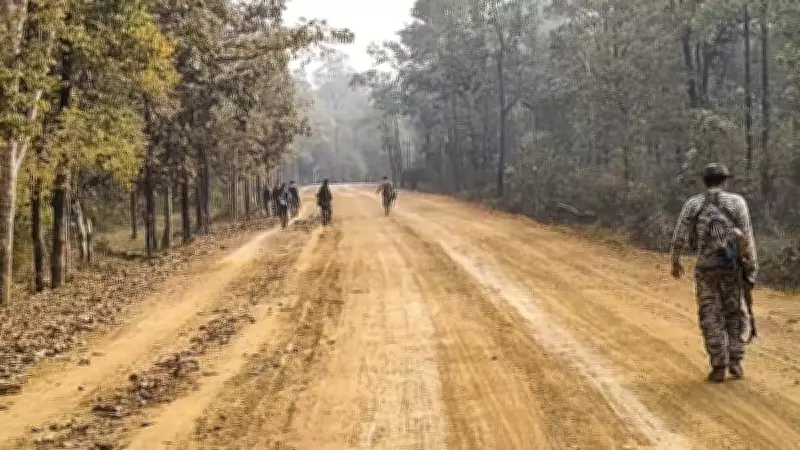
India Achieves Landmark Security Milestone with Zero Naxal-Affected Districts
In a historic announcement, the Ministry of Home Affairs has informed all state governments that India no longer has any districts categorized as affected by Naxal violence or Left-Wing Extremism (LWE). This declaration follows a comprehensive and detailed security review that was completed after March 31, 2026.
Comprehensive Review Confirms Security Progress
The ministry's review established conclusively that no district in the country falls under the LWE-affected category. This marks a significant turnaround from previous years when several regions, particularly in central and eastern India, were grappling with Naxal insurgency and related security challenges.
The security assessment involved multiple layers of analysis, including:

- Evaluation of violence incidents and their frequency
- Assessment of local governance and development indicators
- Review of security force deployments and their effectiveness
- Analysis of socio-economic conditions in previously affected areas
Strategic Implications for National Security
This development represents a major achievement for India's internal security apparatus. For decades, Naxalism has posed significant challenges to law and order, development initiatives, and public safety in various parts of the country.
The elimination of LWE-affected districts indicates substantial progress in counter-insurgency operations, development programs, and community engagement strategies implemented by both central and state governments.
Key factors contributing to this success include:
- Enhanced coordination between central and state security forces
- Improved intelligence gathering and sharing mechanisms
- Targeted development initiatives in previously affected regions
- Strengthened local governance structures
Future Security Considerations
While this announcement marks a positive milestone, security experts emphasize the importance of maintaining vigilance. The Home Ministry has advised state governments to continue implementing comprehensive security measures to prevent any resurgence of extremist activities.
The formal communication to state administrations underscores the need for sustained efforts in development, governance, and security coordination to preserve this achievement.
This development is expected to have positive implications for investment, infrastructure development, and social welfare programs in regions that were previously constrained by security concerns related to Left-Wing Extremism.






